Best Deal Alert! You can now buy Invens Ultra S26 6.79″ 120Hz 4G Smartphone from Amazon.co.uk for a very good price. Hurry up, limited time offer!
Meet Invens Ultra S26 Smartphone – A Refreshingly Capable Budget Smartphone with a Dual-Screen Twist
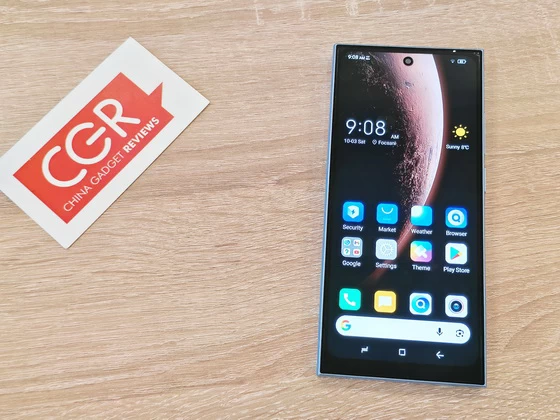
The INVENS Ultra S26 has reminded me that a budget smartphone can leave a positive impression through the way it feels and behaves in everyday use. Its specifications are modest, but after spending time with the handset, I came away appreciating its build quality, responsive Android 16 interface, and the extra personality brought by its rear smart display. It is a sensible phone with an interesting design, and the overall experience feels well matched to its everyday ambitions. The most distinctive feature is the 1.75-inch touchscreen on the back, which accompanies a large 6.79-inch main display with a 120Hz refresh rate. That combination immediately gives the Ultra S26 something of its own, particularly once you discover that the smaller screen supports notifications, music controls, and a live camera preview. Alongside these features, a 5,000mAh battery, expandable storage, and a practical selection of connectivity options create a fairly rounded package. What impressed me most, however, was the software responsiveness. Android 16 moves very well considering the hardware underneath, and that makes a meaningful difference to my impression of the phone. The Ultra S26 feels like a well-executed budget device whose appeal becomes clearer once you start interacting with it.
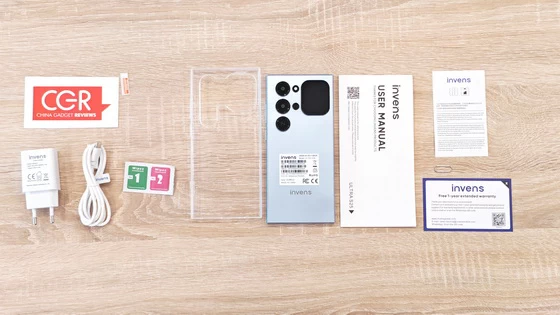
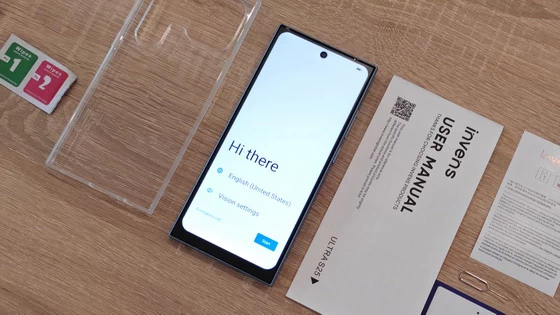
Inside the package, I found the Ultra S26 handset, a wall charger, a USB cable, a transparent protective case, a SIM eject tool, and the accompanying documentation. I appreciate this practical approach because it gives me the essentials to start using and protecting the phone straight away. The transparent case is a particularly appropriate addition. The rear display and distinctive camera arrangement are central to the phone’s character, so being able to protect the handset while keeping those elements visible makes sense. For an everyday device, these small conveniences contribute to a welcoming first experience. Picking up the phone, I was pleased with the overall quality. It feels well put together for its category, and the styling gives it a more considered identity than a generic entry-level handset. Once powered on, the large screen and responsive interface reinforce that impression, making the first exploration of the device feel comfortable and straightforward.
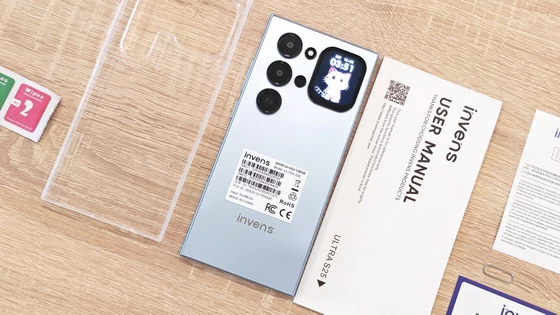
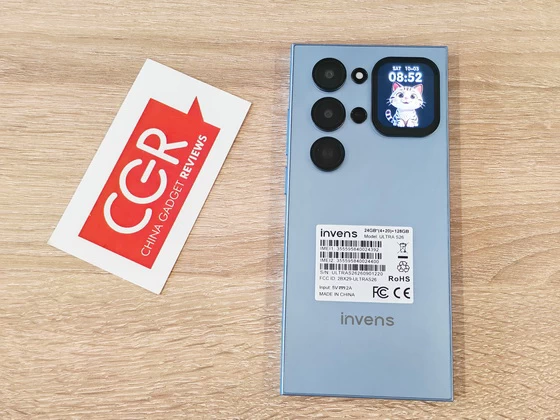
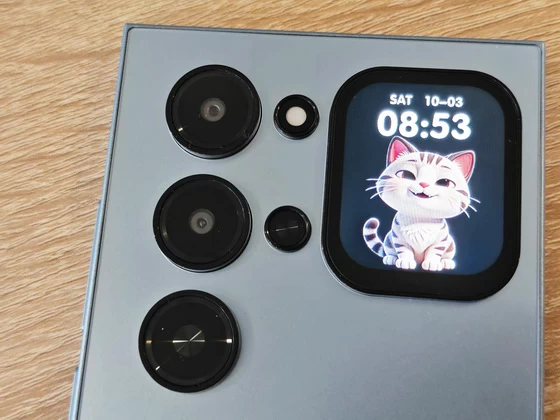
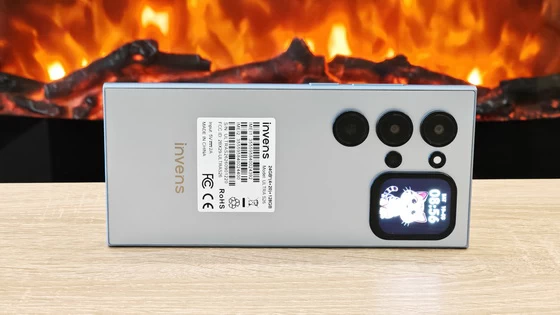
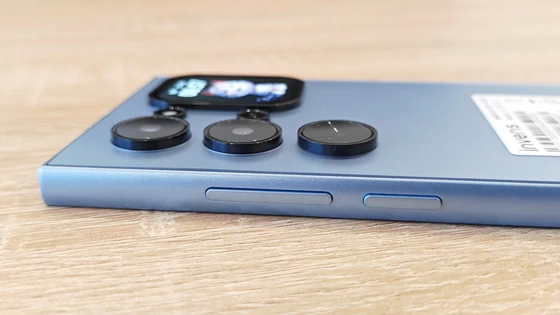
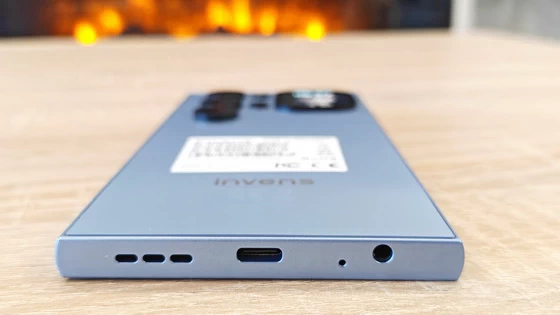
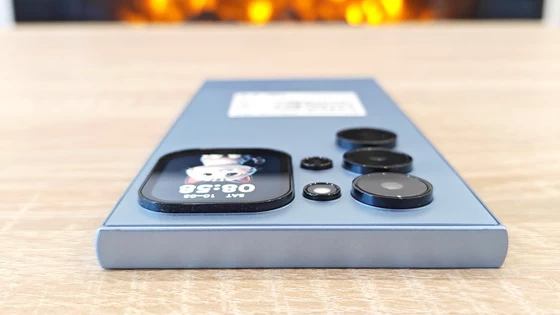
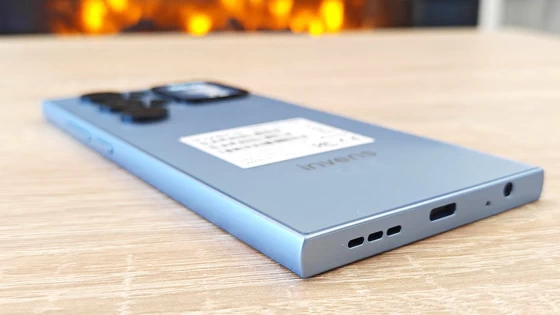
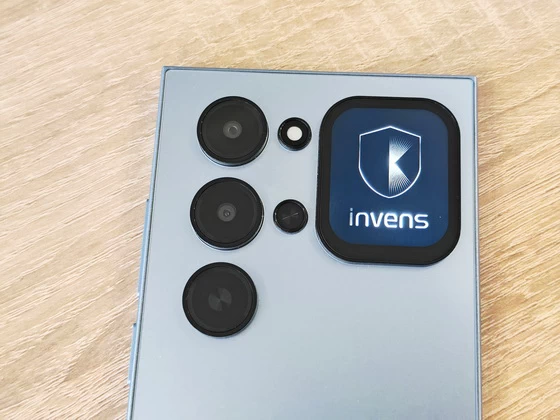
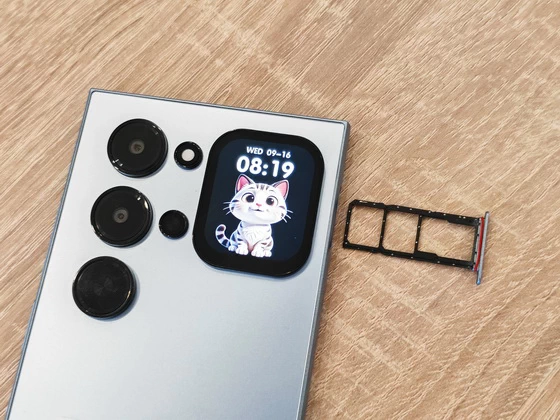
I like the confident appearance of the Ultra S26. Its flat sides, angular outline, and blue-toned finish give it a distinctive look, while the rear screen adds a playful element to an otherwise fairly restrained design. The individual circular elements around the camera area create a strong visual identity, but it is the small display that makes the handset immediately recognisable. The build quality is one of the aspects I appreciate most. Within its budget positioning, the phone feels reassuringly well assembled, and the finish contributes to an overall impression of care. That matters to me because the physical experience of a smartphone is something I notice every time I pick it up. With a 6.79-inch main screen, this is a substantial handset. I see the size as an advantage for reading, browsing, and viewing content, although longer interactions naturally lend themselves to two-handed use. The software’s one-handed mode is a useful complement to that larger format, giving me another option when reaching across the display becomes less convenient. The design also accommodates practical connections, including USB-C and a 3.5mm headphone socket. I appreciate seeing familiar, useful features integrated into a device whose most obvious attraction is something as unusual as a second screen.
The Ultra S26 is powered by a T7250 octa-core processor, with 4GB of physical RAM and 128GB of internal storage in my unit. These specifications place it firmly in the budget category, but the experience of navigating the phone is more encouraging than the numbers alone might suggest. Android 16 feels pleasantly responsive. Moving around the interface and exploring the settings gives the phone a sense of fluidity that I value more than an impressive-looking memory figure. My overall impression is that the system works well within the available hardware, helping the Ultra S26 feel approachable and enjoyable during ordinary interaction. The memory specification deserves a clear explanation. The phone offers up to 20GB of virtual RAM expansion alongside its 4GB of physical RAM, which accounts for the advertised combined figure of 24GB. Virtual memory uses internal storage and should be understood as a supplementary feature; it does not turn the handset into a device with 24GB of physical RAM. I prefer to judge the Ultra S26 by its actual responsiveness, which is already a positive part of the experience. I would approach this phone primarily for everyday applications and moderate workloads. Its hardware calls for sensible expectations around demanding games and intensive multitasking, while the smooth system navigation makes a stronger case for its intended role as an accessible daily smartphone. Storage flexibility is another welcome detail. In addition to the 128GB built in, INVENS specifies memory-card expansion up to 1TB. I appreciate having that option for a growing collection of photos, videos, music, and other files, especially if I want to keep more content available locally.
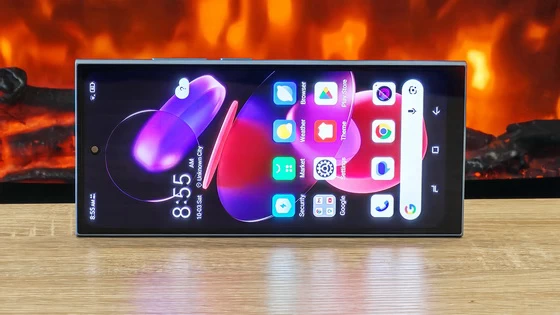
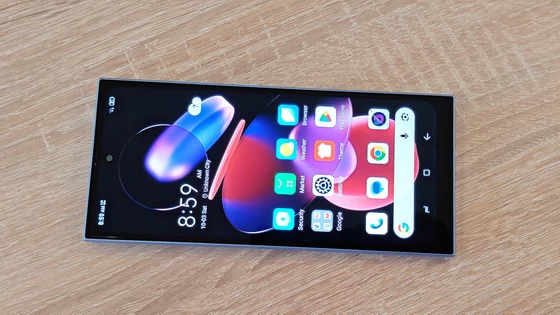
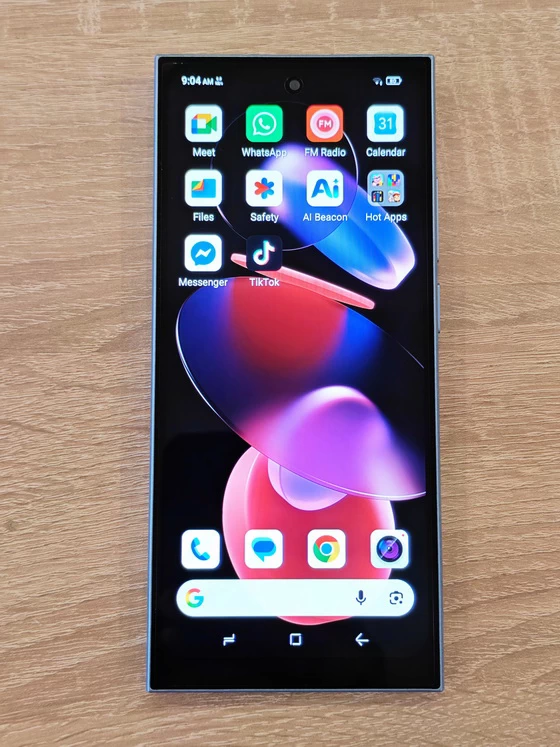
The 6.79-inch main display gives the Ultra S26 a spacious feel. I enjoy the room it provides for reading and navigating the interface, and the centred punch-hole camera helps maintain a fairly uninterrupted viewing area. The 120Hz refresh rate is an appealing inclusion, supporting a smoother presentation when the interface and applications take advantage of it. Combined with the responsive system, it contributes to the pleasant impression the phone makes during navigation. Refresh rate is only one part of display performance, but it is a relevant one on a device intended for frequent, everyday interaction. The resolution is 1640 × 720 pixels, so this is an HD+ panel. That is a clear budget compromise on a screen of this size, particularly for anyone who prioritises very fine text detail. I still find the combination of generous dimensions and smooth movement appealing, provided expectations remain appropriate to the category. For me, the display’s strongest quality is the comfortable amount of space it offers. It gives the phone an inviting interface and helps make ordinary tasks feel less cramped.
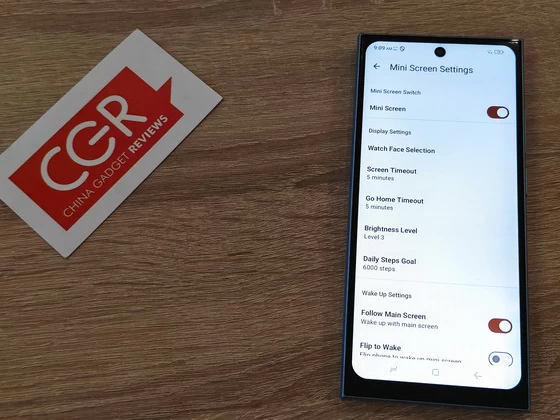
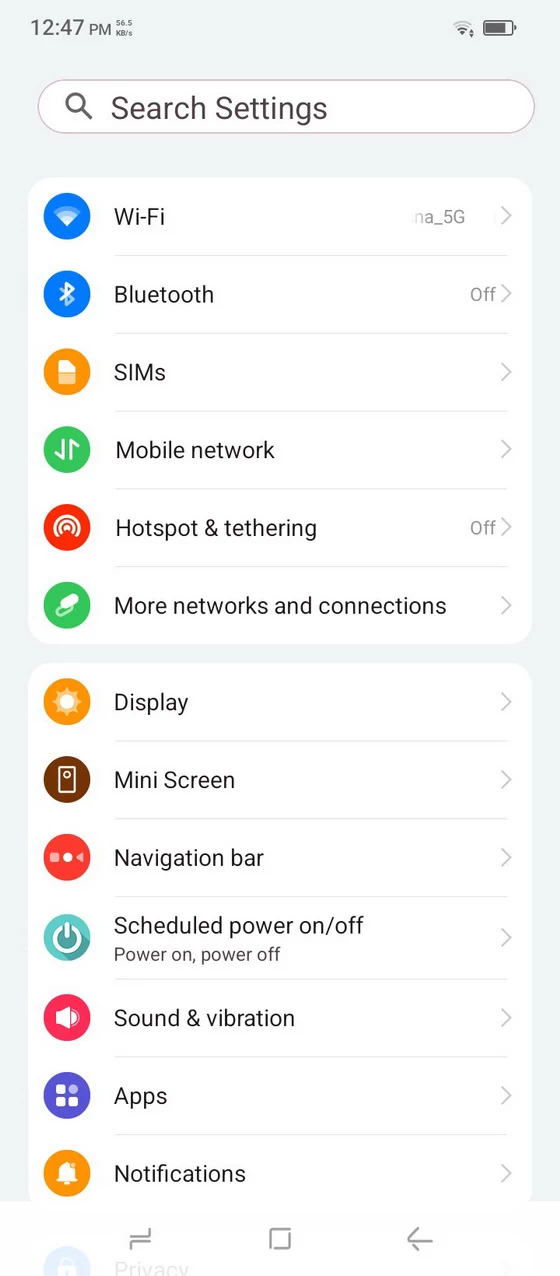
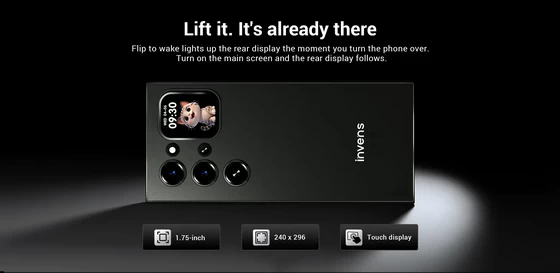
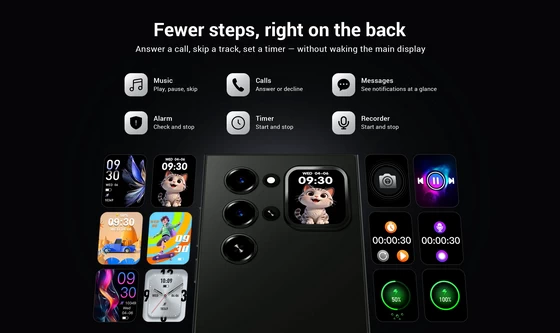
The rear touchscreen is the feature that makes the Ultra S26 particularly interesting. Measuring 1.75 inches with a resolution of 240 × 296 pixels, it creates a compact space for quick information and simple controls, while also giving the back of the phone a personal touch. I like the customisation available through the Mini Screen settings. Selectable watch faces let me change its appearance, while brightness and timeout controls allow its behaviour to be adjusted. Wake options include following the main display, activating when the phone is flipped, and responding to a double tap. These settings make the second screen feel like a configurable part of the phone. Its advertised functions extend well beyond displaying a clock. INVENS lists music playback controls for playing, pausing, and skipping tracks, as well as the ability to accept or reject incoming calls. The screen also supports notification viewing, alarm checking and dismissal, and starting or stopping a timer or audio recording without activating the main display. These are the kinds of functions that give the concept practical appeal. I can see the value of having quick controls available when the phone is resting with its rear side facing upward, especially for a brief interaction that does not need the full Android interface. Notification customisation is another useful part of the implementation. The settings provide control over indicators, notification details, and which applications can send information to the mini screen. I appreciate being able to decide how much information appears there, rather than treating the secondary display as an unrestricted copy of the main notification area. The rear screen also acts as a live viewfinder for the main camera, which is arguably its most interesting photographic application. Being able to see the framing while pointing the rear camera towards myself gives the dual-screen design a clear purpose.
The Ultra S26 features a 32MP rear camera and a 13MP front camera, providing a straightforward setup for casual photography and video communication. What interests me most is how the rear display changes the way the main camera can be used. With a live preview on the smaller screen, I can frame a selfie using the 32MP rear camera while keeping an eye on composition. That is a useful distinction because it makes rear-camera self-portraits easier to approach, particularly when I want to include some background or adjust my position within the frame. The associated settings include image mirroring, smile detection, gesture detection, and countdown options. I appreciate the flexibility these controls offer, especially the possibility of preparing the shot before triggering the shutter. They help connect the unusual hardware design with a recognisable everyday use. I would keep the camera’s role in perspective: this is an affordable smartphone intended for convenient everyday capture. Detailed conclusions about dynamic range, low-light quality, or moving subjects would require a dedicated set of image comparisons. The feature that stands out here is the accessible rear-camera preview and the additional freedom it gives when composing a self-portrait.
The Ultra S26 includes a useful selection of connectivity options: 4G mobile connectivity, dual-band Wi-Fi, Bluetooth 5.0, USB-C, and USB OTG. Together, these cover a broad range of ordinary connections, from wireless accessories to compatible USB peripherals. I particularly appreciate the inclusion of a 3.5mm headphone socket. It gives me the option of connecting wired headphones directly, which remains a convenient feature for anyone who already owns a favourite pair. FM radio adds another familiar function that fits the phone’s practical character. USB OTG is also worth mentioning because it extends the usefulness of the USB-C connection beyond charging and computer transfers, allowing compatible accessories or storage devices to be connected with the appropriate adapter. Alongside expandable storage, these features make the Ultra S26 feel thoughtfully equipped for everyday ownership. They may attract less attention than the rear screen, but they add flexibility in ways that remain useful over time.
My overall impression of the Ultra S26 is that it gets the basic experience right. The phone feels good in the hand, the screen offers plenty of room, and Android 16 responds well enough to make routine navigation pleasant. Those qualities have a direct influence on how enjoyable a device is to use. For someone whose priorities revolve around messaging, browsing, social applications, and casual entertainment, the Ultra S26 has an understandable appeal. Its hardware is modest, but the interface does a good job of making the phone feel capable within that everyday role. The secondary screen adds another layer to the experience. I enjoy the personalisation it brings, while its notification and control functions give it a reason to be there beyond appearance. It makes the phone more memorable without changing the familiar nature of the main Android interface. I also appreciate the balance between modern and traditional features. The high-refresh-rate display and Android 16 sit alongside expandable storage, wired audio, and FM radio, creating a device that offers several useful options for different habits.
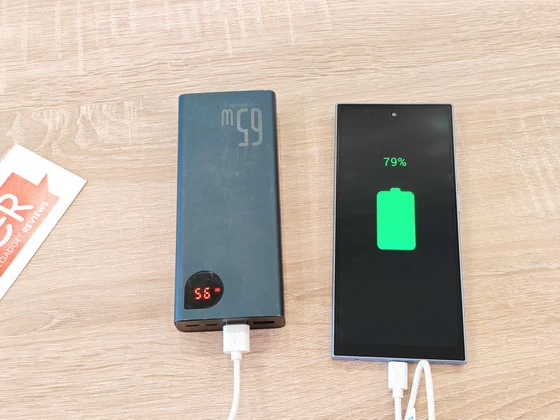
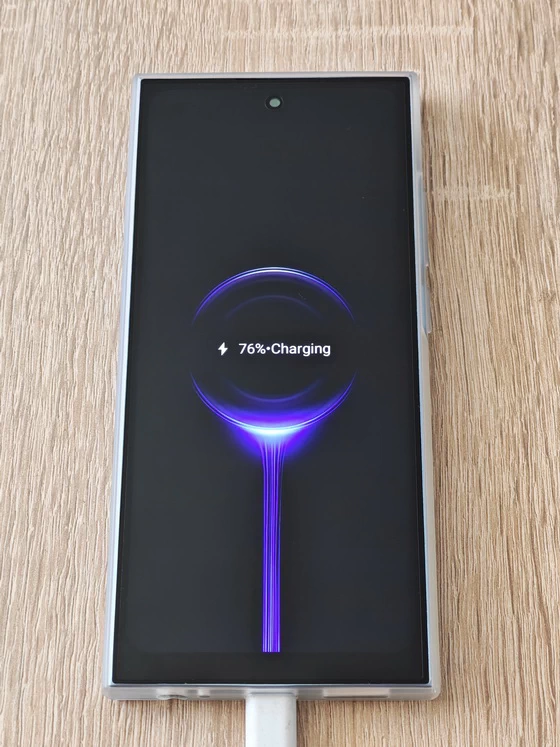
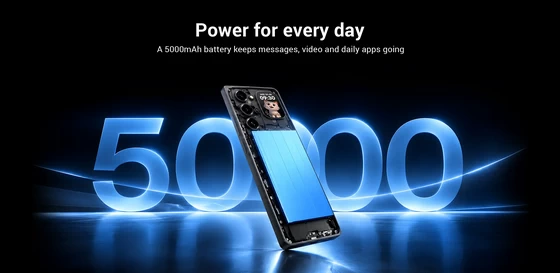
The 5,000mAh battery is a sensible foundation for a large-screen everyday smartphone. Capacity alone cannot establish exact endurance, but it is an appropriate specification for a device aimed at communication, media consumption, and routine applications. I appreciate the battery controls available in the software. Usage information, Battery Saver, battery-management settings, and an ultra-saving mode provide ways to understand and adjust power consumption. There are also controls related to application activity, which can be helpful when deciding how aggressively the phone should manage background tasks. Charging takes place through USB-C, with the supplied charger and cable providing a straightforward setup. I would keep expectations around charging speed separate from the battery capacity, since a large battery does not automatically imply fast charging. For this review, I would avoid attaching a precise screen-on-time figure or a guaranteed number of days to the phone. Actual endurance depends on brightness, network conditions, application activity, and display settings. The useful takeaway is the combination of substantial battery capacity and accessible power-management options, which gives me flexibility in how I configure the device.
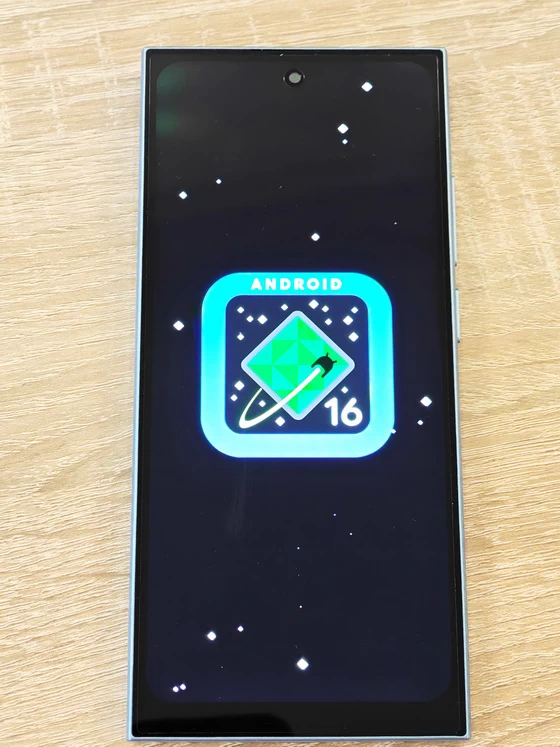
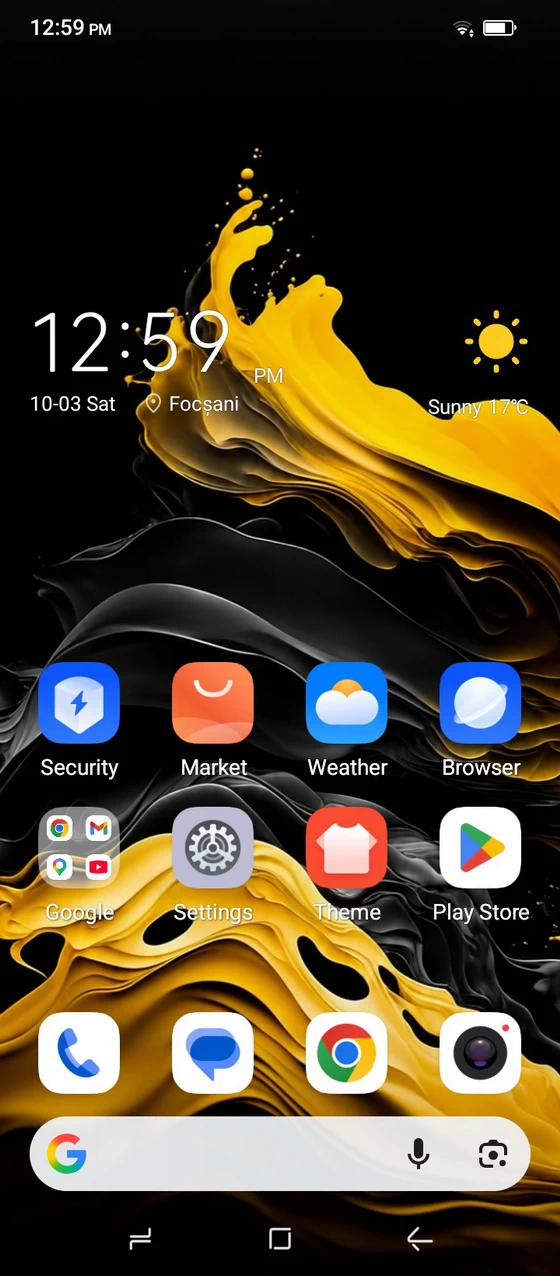
Android 16 is a major reason I came away liking the Ultra S26. The system feels surprisingly smooth for a phone with entry-level hardware, and that responsiveness helps the entire device make a stronger impression. The interface is familiar enough to navigate comfortably, while the settings provide a worthwhile range of customisation. I can choose between virtual navigation buttons and gestures, adjust the rear screen independently, and explore intelligent-assistance features such as a side application bar, one-handed mode, and a three-finger screenshot gesture. These are useful additions because they address the way a phone is handled. On a large display, navigation preferences and shortcuts can make a meaningful difference, and I appreciate having those choices available. The quick-settings panel brings commonly used functions within reach, including screen recording, Night Light, Quick Share, and Battery Saver. Camera and microphone access switches also provide convenient control over those permissions at a system level. Additional applications and utilities include an AI assistant and device-management tools. I see these as optional parts of the software experience to explore according to personal preference. What matters most to me is that the central interface remains easy to navigate and responsive. My review unit reports Android 16 with an August 5, 2026 Android security patch. This describes the software present during my hands-on period; long-term update frequency will depend on INVENS’ support. In its current form, the software is one of the strongest aspects of the handset.
The INVENS Ultra S26 is a very decent budget smartphone, and my positive impression comes from the combination of good build quality, smooth Android 16 navigation, and a design that offers something different. Its modest specifications remain relevant when setting expectations, but they do not prevent the phone from delivering a pleasant everyday experience. The rear touchscreen is the defining feature. Its customisable appearance gives the handset personality, while notification access, music and call controls, useful utilities, and a live camera preview provide practical reasons to engage with it. It is a more versatile addition than its small size might initially suggest. I also appreciate the less conspicuous details, including expandable storage, dual-band Wi-Fi, USB OTG, the headphone socket, and FM radio. These features strengthen the phone’s everyday usefulness and complement the larger display and 5,000mAh battery. The HD+ resolution, 4GB of physical RAM, and entry-level processor establish sensible limits. Within those limits, however, the Ultra S26 feels well judged. What stays with me is how comfortably the software runs and how good the overall quality feels for this category. It is an approachable smartphone with a distinctive second screen and a solid everyday foundation.
Invens Ultra S26 Smartphone Main Features
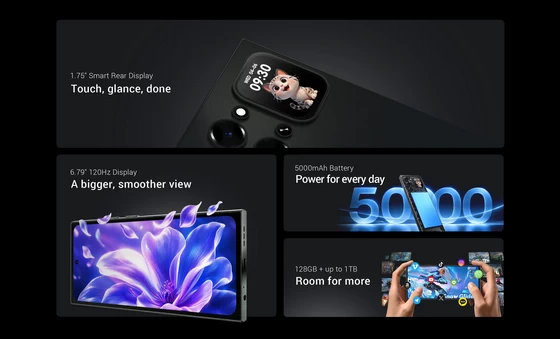
1.75″ Customizable Rear Display – Check time, date, and notifications without waking your main screen. Customize with animations — including a playful cat — to make your phone truly yours.
6.79″ HD+ 120Hz Display – Ultra-smooth scrolling, fluid animations, and a more responsive touch experience. Punch-hole design with 20:9 aspect ratio.
24GB Hybrid RAM (4GB + 20GB Virtual) – Smooth multitasking for apps, streaming, and everyday performance.
128GB Storage + Expandable to 1TB – Plenty of space for photos, videos, and apps.
32MP Rear Camera + 13MP Front Camera – Capture sharp, detailed photos and enjoy crisp selfies and video calls.
5000mAh Long-Lasting Battery – All-day power for browsing, streaming, and staying connected.
T7250 Octa-Core Processor – Responsive performance for multitasking, streaming, and gaming.
Dual SIM 4G Unlocked – Use two numbers simultaneously for work and personal life. No contract required.
Face Unlock – Quick and secure facial recognition access.
Dual-Band Wi-Fi (2.4GHz + 5GHz) & Bluetooth 5.0 – Faster connectivity and stable wireless connections.
USB-C & 3.5mm Headphone Jack – Convenient charging and wired audio.
Invens Ultra S26 Smartphone Best-Use Scenarios
Everyday communication: Stay connected through calls, messaging, email, and social apps using 4G or Wi-Fi.
Social media browsing: Enjoy a spacious display and smoother scrolling in supported apps with the 120Hz refresh rate.
Rear-camera selfies: Use the rear touchscreen as a live viewfinder to frame self-portraits with the 32MP main camera.
Quick notification checks: View selected notifications on the rear display while the phone rests with its back facing upward.
Music and podcast listening: Connect wired headphones or Bluetooth accessories and manage music playback through the rear screen.
Casual video watching: Watch online videos and downloaded content on the large 6.79-inch display.
Reading and web browsing: Browse websites, read articles, and consult documents with plenty of screen space.
Video calls with family and friends: Use the 13MP front camera for everyday face-to-face conversations.
Everyday photography: Capture casual snapshots of outings, family moments, and subjects you want to share.
Keeping an offline media collection: Store photos, music, and videos using 128GB of internal storage and memory-card expansion.
Study and daily organisation: Manage calendars, notes, alarms, timers, and voice recordings, with selected controls accessible from the rear display.
A practical secondary phone: Keep a separate handset for calls, messages, and everyday apps, supported by a 5,000mAh battery and power-saving options.
Invens Ultra S26 Smartphone Highlights
6.79-inch HD+ display with 120Hz refresh rate
1.75-inch customisable rear touchscreen
Rear-screen notifications, music controls, and call management
Live rear-camera preview for selfies
Smooth Android 16 experience
T7250 octa-core processor
4GB physical RAM plus up to 20GB virtual RAM
128GB storage, expandable up to 1TB
32MP rear camera and 13MP front camera
5,000mAh battery with USB-C charging
4G connectivity and dual-band Wi-Fi
Bluetooth 5.0 and USB OTG
3.5mm headphone jack and FM radio
Gesture navigation and one-handed mode
Invens Ultra S26 Smartphone Specs
Network: 4G LTE Unlocked, Dual SIM (Nano + Nano / TF)
Main Display: 6.79″ HD+ Incell, 720×1640, Punch-Hole, 20:9, 120Hz
Rear Display: 1.75″ 240×296
Processor: T7250 Octa-core (2xA75 @ 1.8GHz + 6xA55 @ 1.6GHz)
Operating System: Android 16
RAM: 4GB Physical + 20GB Virtual = 24GB Total
Storage: 128GB ROM, expandable up to 1TB via TF card
Rear Camera: 32MP AF
Front Camera: 13MP
Battery: 5000mAh Polymer, 5V/2A Type-C
Charging: USB Type-C
Connectivity: Wi-Fi a/b/g/n/ac (2.4GHz + 5GHz), Bluetooth 5.0, GPS, OTG
Biometric Security: Face Unlock
Ports: USB Type-C, 3.5mm Headphone Jack
Material: PC Unibody
Unlocked: Works with most carriers. No contract.
Colors: Black, blue, gold, beige/champagne
Package Content
1 x Invens Ultra S26 Smartphone
1 x Wall Charger
1 x USB Cable
1 x Transparent Protective Case
1 x SIM Eject Tool
1 x Documentation Set
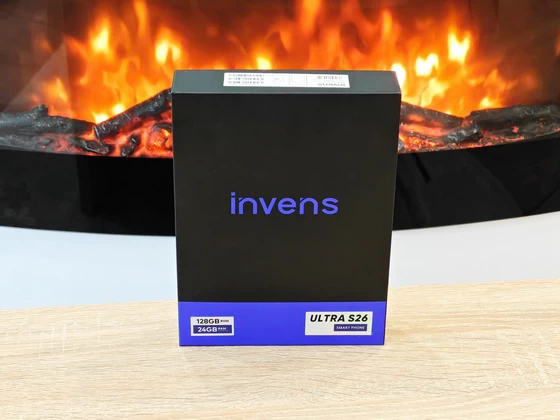
1 x Packaging Box
Photo gallery full album here. Official webpage here. Read more here about Invens products.
About Invens. invens was born in Shenzhen, China, in 2014, rooted in over a decade of ODM expertise for top global telecom brands. We observed a gap in the global market: users either pay too much for overbranded devices, or settle for poor quality. So we built invens — a brand with factory-grade quality, practical innovation, and true durability. From the everyday Note series to the endurance-focused Power series and the distinctive Ultra series — we focus on one thing: making phones you can trust, anywhere.
Did this article help you? If so, please tell me in a comment what do you think about it.
Don’t miss any of our future video tutorials, follow us on Youtube. Like us on Facebook. Join our Best Deals Telegram Channel. Join our Android TV Box Firmware Updates Telegram Channel. Subscribe now to our newsletter. If you need Tech Reviewer or Youtube Influencer read this. Donate now here to support CGR Team!