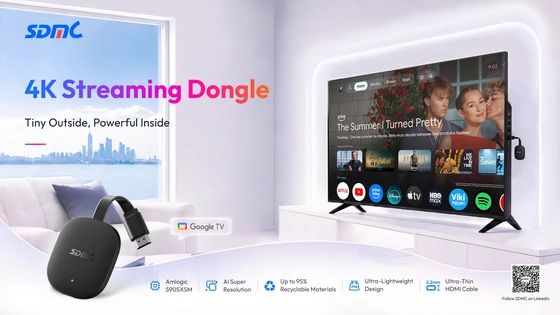
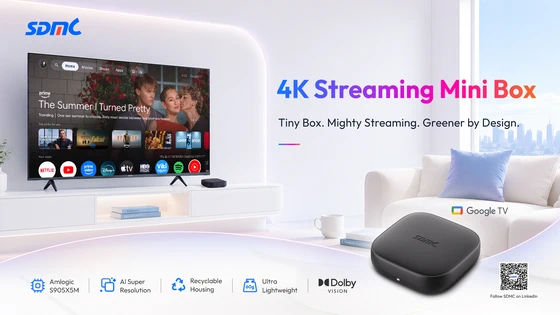
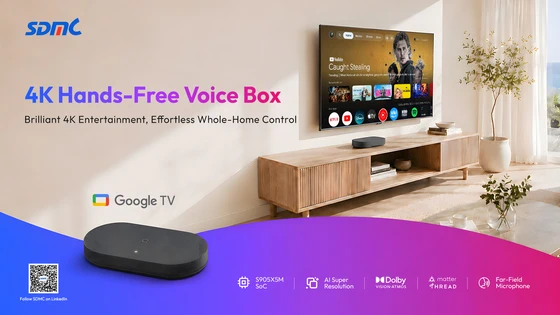
High-end devices are adopting AI-powered features such as AI Super Resolution (AI-SR) to enhance picture quality, integrate voice controls, and deliver intelligent recommendations. Meanwhile, entry-level boxes remain focused on providing a reliable viewing experience, with improvements mainly coming from firmware updates and system optimizations, rather than costly hardware upgrades.
High-End vs Entry-Level: What’s Changing
Premium Boxes
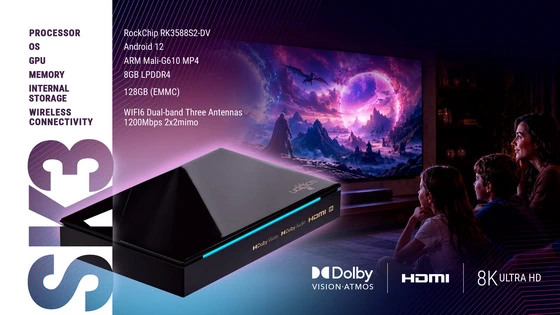
For high-end models, 2026 means AI-driven picture enhancement, 8K resolution support, and advanced connectivity. These devices leverage technologies such as AI-SR for smarter picture enhancement to upscale content, improve clarity, and deliver a more immersive viewing experience. Key improvements include:
– SoC upgrades that support AI-SR, motion smoothing, and higher GPU performance
– 8K resolution output for future-proofed displays
– Enhanced connectivity: WiFi 6, Bluetooth 5.0, and support for modern codecs like AV1
– Firmware & OS updates that allow smarter navigation, personalized recommendations, and remote management
These devices are aimed at users or B2B clients (hotels, operators, schools) who demand cutting-edge performance and immersive visuals.
Entry-Level Boxes
Entry-level models are more conservative. Manufacturers retain the existing main SoC, meaning no AI-SR or major hardware changes. Improvements focus on:
– Android version upgrades (e.g., Android 14/15) for better app compatibility and security
– System optimizations to improve speed and responsiveness
– Minor feature enhancements such as UI tweaks, updated codecs, or remote control support
– Connectivity improvements within the limits of existing hardware
This approach keeps production costs low while ensuring devices remain compatible with modern content and apps. For B2B deployments, it provides a cost-effective, reliable solution for everyday streaming.
Manufacturing and Material Cost Trends
Understanding how manufacturers manage costs is crucial, especially as next-gen features increase hardware expenses. Key cost trends for 2026 include:
– Semiconductor costs: AI-capable SoCs for high-end boxes are expensive, making them the largest component in the BOM.
– PCB complexity: Adding AI modules, advanced connectivity, and multiple output ports increases PCB layers and density, driving costs higher.
– Memory and storage: Upgrading RAM or flash storage for performance comes at a significant cost, particularly for high-end devices.
– Housing and thermal design: Better cooling and premium enclosures for high-performance boxes add material costs.
– Firmware and lifecycle management: Providing OTA updates and multi-language support is part of the total cost, even if it’s software-based.
– Value segment optimization: Entry-level boxes leverage existing hardware, modular designs, and efficient sourcing to control costs while still delivering essential next-gen features.
Manufacturers are balancing feature innovation with cost control, ensuring both premium and value products remain competitive and profitable.
The main takeaway: premium devices push performance, while entry-level boxes focus on software updates and cost-efficiency, narrowing the gap in functionality without driving up hardware costs.
Implications for B2B Buyers
For businesses deploying Android TV boxes in 2026 (hotels, schools, operators):
– Specify must-have next-gen features: AI-SR, 8K output, WiFi 6, Android 14/15, modern connectivity
– Balance cost vs functionality: Entry-level boxes may lack AI-SR but offer a reliable, cost-effective streaming experience
– Demand firmware & lifecycle support: OTA updates, multi-language UI, and remote management capabilities reduce total cost of ownership
– Plan for future upgrades: Modular or upgradable devices extend lifespan without replacing hardware
– Consider supplier efficiency: Manufacturers with optimized sourcing and design practices can provide better pricing and reliability
2026 is About Smart, Efficient, and Future-Proof Devices
The Android TV box market in 2026 is defined by intelligent, high-resolution premium devices and cost-efficient entry-level models. AI-SR, 8K resolution, and advanced connectivity will dominate the high-end, while entry-level boxes will rely on firmware updates, system optimization, and minor functional enhancements to stay relevant.
At Shenzhen Oranth Technology Develop Co., Ltd., we design products that reflect these trends, ensuring both premium and value devices are ready for modern applications.
Did this article help you? If so, please tell me in a comment what do you think about it.
Don’t miss any of our future video tutorials, follow us on Youtube. Like us on Facebook. Join our Best Deals Telegram Channel. Join our Android TV Box Firmware Updates Telegram Channel. Subscribe now to our newsletter. If you need Tech Reviewer or Youtube Influencer read this. Donate now here to support CGR Team!