How to Build a Practical TV Setup in a Small Apartment
A practical TV setup in a small apartment is not about choosing the smallest furniture possible. It is about giving the television only as much floor space, storage, and support as the room actually needs. Start with the main viewing position, then decide how much furniture the TV area should include, keep cables contained, and finally check whether the setup interferes with everyday movement. The goal is simple: the TV area should work comfortably without forcing the rest of the apartment to work around it.
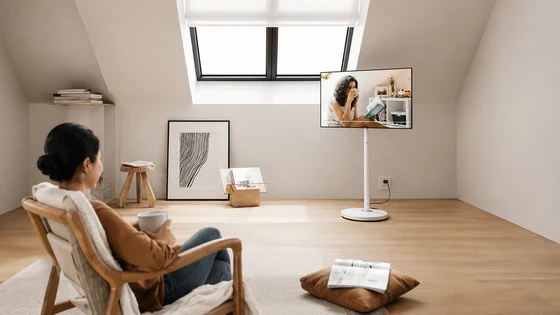
Start With the Main Viewing Position, Not an Empty Wall
An empty wall may look like the obvious place for a television, but in a small apartment, the better starting point is usually the main seating area. First identify where the TV is watched most often. This may be a sofa, loveseat, armchair, or the primary seating zone in a studio. From there, check how the television position would affect nearby doors, walkways, dining furniture, and work areas. A wall is not automatically practical just because it is wide enough for the TV. In a studio apartment, for example, placing the screen on the largest wall may require the sofa to sit across the route to the kitchen. A shorter side wall or a position closer to the edge of the seating zone may create a better overall layout even if it looks less symmetrical. The key is to make the viewing position work first. Once the seating and main circulation paths are established, it becomes much easier to judge how much space the TV furniture can reasonably occupy.
Decide How Much Furniture and Storage the TV Area Actually Needs
Before choosing a TV stand or media console, identify what genuinely needs to stay near the television. A simple setup may include only a smart TV, soundbar, and one streaming device. Other households may need several game consoles, controllers, AV accessories, or physical media within easy reach. These two situations do not require the same amount of furniture. Items such as spare cables, manuals, and unrelated household storage should not automatically determine the size of the TV area. If they can live in an existing drawer or cabinet elsewhere, there is little reason to add a larger piece of TV furniture just to hold them. When storage needs are low, a small TV stand can provide freestanding support without requiring a wide cabinet underneath the screen. This is particularly practical when the apartment already has storage elsewhere and the TV area only needs to support the screen and a small number of connected devices. A compact media console can make more sense when several consoles, controllers, or other media accessories need to remain beside the TV. In that case, one piece of furniture that combines TV support and enclosed storage may occupy less usable space than a small stand plus additional cabinets or shelves. The useful distinction is therefore not simply small stand versus larger console. It is whether the TV area genuinely needs storage in addition to screen support. Once that is clear, the furniture footprint becomes much easier to justify.
Keep Cables Within the TV Zone
A compact piece of furniture does not create a compact TV setup if cables and devices spread into the surrounding room. Try to keep the main connections—TV power, HDMI cables, soundbar connections, streaming devices, and power strips—within the same small zone as the television and its support furniture. Problems begin when one device needs a side table, a power strip sits in the open floor area, or a cable has to cross a walking path to reach an outlet. At that point, the TV setup occupies more usable space than the furniture dimensions suggest. This is why cable routing matters in small apartments. The purpose is not simply to make wires look neater. It is to keep the television from extending into circulation space or requiring additional furniture. If a compact stand includes a way to route cables close to its support structure, that can help maintain a clear boundary around the TV area. The amount of cable management needed, however, should still reflect the actual number of connected devices rather than encouraging a more complicated setup. A compact TV zone stays compact only when its connections stay contained as well.
Check the Setup Against Everyday Movement
The final test is not whether the furniture fits on a floor plan. It is whether the apartment still works when people use it. Walk through the room as you normally would. Can you move from the entrance to the sofa without stepping around the TV base? Is the route between the living area and kitchen still clear? Can a nearby desk chair pull out fully? Can cabinet doors open without hitting the TV furniture? If the apartment includes a sleeper sofa, check the room with it unfolded. A TV stand that seems compact during the day may become an obstacle once the sleeping area is in use. This is also why furniture width alone is a poor measure of space efficiency. A narrow stand with a base that projects into a main walkway can be less practical than a slightly wider unit that sits completely along the wall. Likewise, a compact console that replaces another storage cabinet may use the room more efficiently than two smaller pieces of furniture. In a small apartment, footprint should be judged by how little the TV setup interferes with other activities, not by the dimensions of one product alone.
Build the TV Setup Around the Space You Actually Have
A practical small-apartment TV setup does not need the smallest stand, the most storage, or the most complicated furniture arrangement. It needs enough support and storage for the equipment that actually belongs in the TV area while preserving comfortable movement through the room. FITUEYES offers freestanding TV solutions for homes where television support needs to work within a limited footprint without adding more furniture than the space requires. The most practical setup is the one that keeps the TV functional while leaving the rest of the apartment easy to live in.
Did this article help you? If so, please tell me in a comment what do you think about it.
Don’t miss any of our future video tutorials, follow us on Youtube. Like us on Facebook. Join our Best Deals Telegram Channel. Join our Android TV Box Firmware Updates Telegram Channel. Subscribe now to our newsletter. If you need Tech Reviewer or Youtube Influencer read this. Donate now here to support CGR Team!