What Is a Rugged Phone? The Complete Beginner’s Guide for 2026
What Exactly Is a Rugged Phone? The Simple Definition
A rugged phone is a smartphone built for tough conditions. It doesn’t chase thinness or looks. Its only job: keep working when dropped, soaked, dusted, or baked in extreme heat or cold. Think of it as the tactical gear version of a smartphone—heavier, thicker, and no beauty contest winner. But when things get rough, it’s the only one you can count on.
Rugged vs. Regular: The Core Difference
A regular phone is made for the living room, office, and coffee shop. A rugged phone is made for construction sites, mountain trails, and monsoon rains. Regular phones obsess over screen-to-body ratio and slimness. Rugged phones obsess over durability, battery life, and grip. Neither is better—they’re just built for different worlds.
The 3 Certifications That Make a Phone Truly Rugged
You’ve seen IP68, IP69K, and MIL-STD-810H on spec sheets. Here’s what they actually mean.
IP68 – Dustproof and Waterproof
“IP” = Ingress Protection. The first digit (6) means completely dust-tight. The second (8) means it can be submerged in fresh water—typically 1.5 meters for 30 minutes—without damage. So if your phone falls in a stream, just wipe it off and keep going. No panic.
IP69K – High-Pressure Water Resistance
This is the next level. IP69K means the phone can survive high-pressure water jets and hot steam—the kind used in food plants, farms, and construction sites where you blast equipment clean with a power washer. Many FOSSiBOT models, including the F116 Pro, carry both IP68 and IP69K. Whether you’re caught in a downpour or washing off mud, your phone stays safe.
MIL-STD-810H – Military-Grade Durability
This U.S. military standard tests devices against drops from 1.5 to 1.8 meters, freezing cold, scorching heat, humidity, vibration, and shock. The “H” means it’s the latest version (newer than 810G). If you see it, that phone has survived a brutal obstacle course. Bottom line: A genuine rugged phone needs at least IP68 + MIL-STD-810H. Add IP69K, and you’ve got top-tier protection.
Who Is a Rugged Phone For?
Not everyone—but more people than you’d think.
Outdoor Adventurers
Hiking, camping, mountain biking, fishing—if your weekends involve dirt and unpredictable weather, a rugged phone is your safety net. Rain, dust, and drops are just part of the experience. Take the FOSSiBOT F116 Pro—a mini rugged phone with a 4-inch screen that slips into your pocket like it’s not there. Yet it packs a 152° ultrawide action camera with a standard 1/4-inch screw mount. Attach it to a bike handlebar, helmet, or GoPro mount—and capture your ride without a separate camera.
Construction & Industrial Workers
Builders, electricians, miners—they live with dust, vibration, and constant knocks. Phones fall from scaffolding or get splashed with concrete. For a rugged phone, that’s just Tuesday.
First Responders
Firefighters, police, search-and-rescue teams. Reliable communication and a bright flashlight aren’t luxuries—they’re lifelines. Rugged phones deliver when it matters most.
Frequent Travelers & Nomads
If you go off-grid—desert crossings, jungle treks, remote mountains—a regular phone won’t last. Rugged phones have massive batteries and handle extreme conditions. The FOSSiBOT F107 Pro comes with a 28,000mAh battery—that’s 30 days standby, 215 hours talk time, or 40 hours video playback. A full week without hunting for an outlet. Plus a 200MP main camera and Starlight Night Vision, so you can shoot stunning night shots even in the dark.
The Accident-Prone
Let’s be honest—some of us just drop things. If you’ve replaced more screens than birthdays, a rugged phone could save you a fortune—and a lot of frustration.
Rugged Phone vs. Regular Phone: Side-by-Side
| Feature | Rugged Phone | Regular Phone |
| Drop resistance | 1.5–1.8m drops, no issue | One waist-high drop = high risk |
| Water & dust | IP68 / IP69K | Splash-resistant (some flagships have IP68) |
| Battery life | 10,000 – 28,000 mAh | 4,000 – 5,000 mAh |
| Weight & feel | Thicker, heavier, solid grip | Slim, lightweight, sleek |
| Best for | Outdoors, job sites, extreme travel | City life, office, commuting |
Why Are Rugged Phones Gaining Popularity? The Boom in Outdoor & Remote Lifestyles
More people work remotely from vans, cabins, and campsites. Weekend camping has become full-time living. And industries like agriculture and logistics are digitizing fast, demanding hardware that can handle real-world abuse.
Longevity = Better Value + Less Waste
A rugged phone typically lasts twice as long as a regular flagship. Fewer replacements mean less e-waste and more money in your pocket. In an age of annual upgrades, rugged phones offer a refreshing alternative: buy once, use for years.
How to Choose the Right Rugged Phone for Your Needs
With so many options, picking one can feel overwhelming. Here’s a simple framework.
Assess Your Primary Use Case
Ask yourself: Where will I use this phone most?
– Light outdoor use (weekend hikes, beach): A basic IP68 phone with a 5,000–10,000mAh battery is fine.
– Heavy outdoor use (multiday camping, mountain biking): Look for IP68 + MIL-STD-810H, a 10,000–15,000mAh battery, and extras like an action-camera mount.
– Professional use (construction, farming, emergency): Go for IP68 + IP69K + MIL-STD-810H, a battery above 15,000mAh, and tools like night vision.
Consider the Battery Life You Really Need
– 5,000 – 10,000 mAh – 1–2 days of normal use. Great for weekend warriors.
– 10,000 – 20,000 mAh – 3–5 days. Ideal for weeklong trips or remote work.
– 20,000 mAh+ – A full week or more. The F107 Pro’s 28,000mAh fits here—built for serious off-grid expeditions.
Don’t Overlook the Extras
Features that can make or break your experience:
– Night vision – Game-changer for camping, wildlife, or low-light work.
– Action-camera mount – The F116 Pro’s 1/4-inch screw mount lets you attach to helmets, handlebars, selfie sticks.
– Glove-friendly touchscreen – Essential in cold climates.
– Loud speaker – Surprisingly useful on noisy job sites or in the wild.
– Bright flashlight – Some rugged phones have extra-bright LEDs that double as work lights.
Set a Realistic Budget
Rugged phones range from under $200 to over $1,000.
– Entry ($150–$300) – Basic rugged features, decent performance, casual use.
– Mid-range ($300–$600) – Stronger build, better cameras, larger batteries, more certifications.
– Premium ($600+) – Flagship specs, top cameras, massive batteries, highest durability.
For most users, the mid-range hits the sweet spot—serious durability without breaking the bank.
Common Myths About Rugged Phones, Busted. Let’s clear up a few misconceptions.
Myth #1: “They’re ugly and bulky”. Not anymore. Modern rugged phones have sleek, textured designs. The F116 Pro’s compact 4-inch form factor looks and feels like a contemporary device—not a brick.
Myth #2: “They have terrible cameras”. Old rugged phones did. Today? The F107 Pro packs a 200MP main sensor—same resolution as top-tier flagships—plus Starlight Night Vision. The camera gap has basically disappeared.
Myth #3: “They’re way too expensive”. “Tough = expensive” is a common assumption—but rugged phones offer great value. A $400 rugged phone with 20,000mAh and IP69K can outlast two or three $1,000 flagships. Longevity makes them the more economical choice.
Myth #4: “Only construction workers need them”. We’ve already seen the wide range—hikers, travelers, parents, nomads. It’s not about your job title; it’s about your lifestyle.
Myth #5: “They’re slow and outdated”. Entry-level models may have modest specs, but mid-range and premium ones pack modern processors and ample RAM. The F107 Pro runs an octa-core chip with 8GB RAM—more than enough for everyday apps, navigation, and even games.
Final Verdict: Do You Need One?
Back to the start. If you:
– Spend a lot of time outdoors,
– Work in dusty, wet, or high-impact environments,
– Travel frequently to remote places,
– Or simply want to stop breaking screens and wasting money…
…then a rugged phone isn’t just a cool gadget—it’s a smart investment.
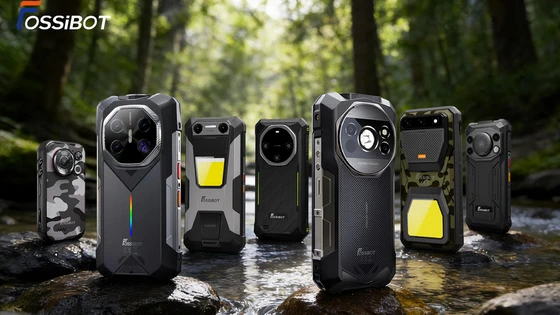
It’s not for everyone. But for the people it is for, there’s nothing else like it. FOSSiBOT offers a full lineup —from the pocket-sized F116 Pro for action sports and minimal carry, to the monster-battery F107 Pro for weeklong expeditions. Whatever your lifestyle, there’s a rugged companion waiting for you. Ready to find yours? Explore the full FOSSiBOT Rugged Phone Collection and get a phone that actually lasts.
Did this article help you? If so, please tell me in a comment what do you think about it.
Don’t miss any of our future video tutorials, follow us on Youtube. Like us on Facebook. Join our Best Deals Telegram Channel. Join our Android TV Box Firmware Updates Telegram Channel. Subscribe now to our newsletter. If you need Tech Reviewer or Youtube Influencer read this. Donate now here to support CGR Team!