
How Does Steam Algorithm Work? How to Market Indie Games?
Welcome to our guide on understanding the inner workings of the Steam algorithm and how you can effectively market your indie games on this popular gaming platform. Steam has become a go-to marketplace for gamers and game developers alike, but navigating its algorithm can be challenging, especially for small indie games. In this article, we will dive deep into the Steam algorithm, explore the impact it has on small games, and provide strategies for marketing your indie games successfully on Steam.
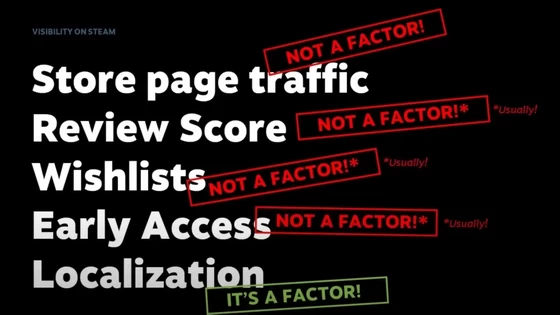
- The Steam algorithm is designed to suppress small games with short pre-launch marketing periods.
- Rapid release strategy can face barriers on Steam, such as limitations on visibility and features.
- Steam’s algorithm actively works against small games released in rapid succession.
- Steam players prefer deep, content-rich games with extensive gameplay experiences.
- To market indie games effectively on Steam, developers should focus on aligning their games with the preferences of the Steam audience.
The Impact of the Steam Algorithm on Small Games
Small games that follow a rapid release strategy face significant challenges due to the impact of the Steam algorithm. Valve, the company behind Steam, has designed the algorithm to actively suppress low-quality games, also known as “shovelware.” This approach aims to prevent the flooding of the marketplace with subpar games, ensuring that larger, more developed games receive the visibility they deserve.
With the aim of promoting quality over quantity, the Steam algorithm prioritizes games with longer marketing timelines and more extensive content. This means that small games released in rapid succession may struggle to gain traction and visibility on the platform. Factors such as limited visibility in search results and restrictions on features like trading cards and showcase achievements make it even more challenging for these games to stand out.
Valve’s focus on promoting larger, more developed games aligns with the preferences of the Steam audience. Players on the platform tend to gravitate towards deep, content-rich games that offer extensive gameplay experiences. For small games that adopt a rapid release strategy, the lack of content and shorter playtimes may not meet the demands of the Steam community, further hindering their success.
The Impact of the Steam Algorithm on Small Game Developers
For small game developers, the Steam algorithm poses a considerable obstacle to overcome. The algorithm’s emphasis on quality and longer marketing timelines requires developers to rethink their approach to game release and marketing. While rapid release strategies can still be viable, developers must ensure that their games meet the standards set by the Steam algorithm and the preferences of the platform’s audience.
| Challenges Faced by Small Game Developers | Impact on Game Visibility |
|---|---|
| Suppression of low-quality games | Difficulty in standing out among a crowded marketplace |
| Restrictions on visibility features | Limited exposure in search results and store pages |
| Preference for deep, content-rich games | Higher expectations from the Steam audience |
Developers can adapt to the challenges posed by the Steam algorithm by focusing on creating high-quality games that align with the preferences of the Steam audience. Conducting thorough research into genre trends, understanding competition, and crafting accurate game descriptions can greatly improve the chances of visibility and success on the platform. Additionally, leveraging networking opportunities, collaborating with platform holders, and participating in industry events can help small game developers gain exposure and increase their chances of success on Steam.
Barriers to Visibility on Steam
Small indie games face numerous barriers to visibility on Steam, making it challenging for developers to attract attention and gain traction in the crowded marketplace. These barriers primarily revolve around the platform’s requirements for wishlists, reviews, trading cards, and showcasing achievements.
Minimum Wishlist Requirements
In order for a game to be featured in the “Popular Upcoming” widget, it must meet a minimum number of wishlists. This can be particularly difficult for small games with short pre-launch marketing periods. Achieving the required number of wishlists within a limited timeframe can significantly impact a game’s visibility and potential for success on Steam.
Review Score and Thumbs-Up Icon
Steam requires games to have a minimum of 10 reviews in order to display a review score and receive a thumbs-up icon. This review score can greatly influence a game’s perceived quality and appeal to potential buyers. For small indie games, garnering enough reviews can be a challenge, further hindering their visibility and credibility on the platform.
Unlocking Trading Cards and Showcase Achievements
Trading cards and showcase achievements are desirable features that can enhance a game’s overall appeal and engagement. However, for small games, these features are only accessible once certain sales or review thresholds are met. This can present a significant obstacle for indie developers looking to increase their game’s visibility and attract a wider audience.
| Barriers to Visibility on Steam | Solutions |
|---|---|
| Minimum Wishlist Requirements | Extend the pre-launch marketing period to allow for more wishlist growth. Utilize social media and other marketing channels to encourage wishlist additions. |
| Review Score and Thumbs-Up Icon | Engage with early players or influencers to generate organic reviews. Encourage players to leave reviews by offering incentives or rewards. |
| Unlocking Trading Cards and Showcase Achievements | Focus on driving sales and increasing positive reviews to unlock these features. Offer limited-time promotions or discounts to incentivize purchases. |
Overcoming these barriers requires strategic planning, effective marketing, and a focus on building a supportive community around the game. By implementing targeted marketing strategies, fostering relationships with players and influencers, and leveraging Steam’s promotional tools, small indie developers can increase their visibility on the platform and improve their chances of success.
The Preference for Deep, Content-Rich Games
When it comes to the preferences of Steam players, deep, content-rich games tend to be favored. These types of games offer extensive gameplay experiences that satisfy the demands of the Steam audience. Rapid release games, on the other hand, often have limited content and shorter playtimes, which may not attract and engage players as effectively.
Steam users are looking for immersive worlds, intricate narratives, and gameplay that offers depth and complexity. They seek games that provide a sense of progression, challenge, and exploration. Whether it’s an open-world adventure, a strategy game with intricate mechanics, or a story-driven RPG, the Steam audience wants to be captivated by the game’s depth and content.
Developers striving to market their indie games on Steam should take into account this preference for deep, content-rich games. By focusing on creating titles that offer rich gameplay experiences, developers can increase their chances of attracting and retaining players. This can lead to higher sales and positive reviews, which in turn can improve visibility on the platform.
Strategies for Marketing Indie Games on Steam
Marketing indie games on Steam requires a strategic approach that aligns with the preferences of the platform’s audience. By understanding the market trends, competition, and player preferences, developers can increase their game’s visibility and generate interest. Here are some effective strategies to consider:
1. Research Genre Trends
Before developing and marketing an indie game on Steam, it’s crucial to research genre trends. Analyze the top-selling games in your genre and identify what makes them successful. Look for gaps in the market that your game can fill, and consider incorporating unique features or gameplay elements that set it apart.
2. Create Clear and Accurate Game Descriptions
The game description is one of the first things potential buyers see on Steam, so it should be compelling and informative. Clearly communicate the game’s key features, gameplay mechanics, and any unique selling points. Use engaging language and visuals to capture the audience’s attention and entice them to learn more or make a purchase.
3. Utilize Targeted Marketing Funnels
Developers can leverage targeted marketing funnels to reach their intended audience effectively. Identify platforms, such as social media channels or gaming forums, where your target audience is likely to be active. Engage with the community, share updates, and create enticing content to build anticipation and generate interest in your game.
Remember, the goal is to provide value and build a genuine connection with potential players.
4. Network with Platform Holders and Developers
Networking within the gaming industry can open doors for exposure and collaboration opportunities. Connect with platform holders, such as Valve’s Steam team, and seek partnerships or promotions that can boost your game’s visibility. Additionally, building relationships with other developers can lead to cross-promotion opportunities, providing access to new audiences.
| Benefits of Networking | Tactics for Networking |
|---|---|
| – Increased exposure for your game | – Participate in industry events and conferences |
| – Potential collaborations and partnerships | – Engage with online communities and forums |
| – Access to industry insights and knowledge | – Join developer groups and associations |
By implementing these strategies, indie game developers can improve their chances of success on Steam. Remember to stay adaptable and continuously monitor player feedback and market trends to fine-tune your marketing approach and maximize your game’s potential.
Building a Marketing Funnel
A marketing funnel is a crucial component of promoting indie games on Steam. It encompasses various channels and strategies that guide potential customers towards purchasing the game. By creating an effective marketing funnel, developers can engage and retain the interest of their target audience, increasing the chances of converting them into paying customers.
Steam Page Optimization
The first step in building a marketing funnel is optimizing the game’s Steam page. It should have clear and compelling descriptions, showcasing the unique features and gameplay experience. High-quality screenshots and videos can provide a visual representation of the game’s aesthetics and mechanics, capturing the attention of potential buyers. Additionally, including positive reviews and testimonials can help build trust and credibility.
Furthermore, leveraging Steam’s features like tags can improve visibility. Carefully selecting relevant tags that resonate with the target audience will ensure the game appears in search results and increases its discoverability.
Engaging with the Community
Developers can also utilize community platforms such as Discord to engage with potential customers. By creating a dedicated server or joining existing gaming communities, developers can foster direct communication, receive feedback, and build relationships with players. Regular updates, sneak peeks, and behind-the-scenes content can generate excitement and maintain interest in the game.
Beta Testing and Influencer Partnerships
Another effective strategy is conducting beta testing to gather feedback and create buzz around the game’s release. Offering exclusive access to beta testers or providing demo versions can generate anticipation and word-of-mouth promotion.
Collaborating with influencers and content creators can also help reach a wider audience. By partnering with influencers relevant to the game’s genre or style, developers can leverage their existing fan base and benefit from their influence and reach.
| Marketing Channels | Benefits | |
|---|---|---|
| 1 | Steam Page Optimization | Improved visibility, compelling descriptions, and positive reviews |
| 2 | Community Engagement | Direct communication, feedback, and relationship building |
| 3 | Beta Testing and Influencer Partnerships | Generate anticipation, feedback gathering, and wider reach |
By strategically implementing these marketing funnel strategies, indie game developers can maximize their chances of success on Steam. Engaging with the community, optimizing Steam pages, and leveraging beta testing and influencer partnerships can create a strong foundation for promoting and ultimately selling their games to a receptive audience.
Leveraging Networking for Exposure
In the competitive world of indie game development, building a network of connections within the gaming industry is crucial for gaining exposure and increasing your game’s visibility. By collaborating with platform holders, partnering with other developers, and engaging with influencers, you can showcase your game to a larger audience and create valuable opportunities for promotion.
One effective strategy for networking is to establish partnerships with platform holders such as Steam. By forming relationships with these key players in the industry, you can potentially gain access to promotional opportunities, featured spots on storefronts, and increased visibility among the platform’s user base. Take the time to reach out to platform holders and present your game in a compelling way, highlighting its unique features and appeal.
In addition to platform holders, connecting with other developers can also yield significant benefits. Joining industry events, conferences, and forums can provide opportunities to meet like-minded developers, share knowledge, and collaborate on joint marketing efforts. By pooling resources and leveraging each other’s networks, you can reach a wider audience and create a stronger presence for your games.
Finally, don’t underestimate the power of influencers in the gaming community. Influencers have built a loyal following and can greatly impact the visibility and success of your game. Reach out to influential YouTubers, Twitch streamers, and bloggers who specialize in indie games or your specific genre. Offer them early access to your game, collaborate on content creation, or sponsor their streams to generate buzz and attract attention to your game.
Table: Examples of Networking Opportunities
| Opportunity | Description |
|---|---|
| Industry Events | Join conferences, game expos, and meetups to network with platform holders, developers, and influencers. |
| Online Communities | Engage with indie game development communities, such as forums and Discord servers, to connect with fellow developers and industry professionals. |
| Collaborations | Partner with other developers to cross-promote each other’s games and tap into each other’s networks. |
| Influencer Outreach | Contact influential YouTubers, Twitch streamers, and bloggers to showcase your game and generate coverage. |
Overall, networking plays a vital role in the success of indie games on platforms like Steam. By leveraging partnerships, engaging with fellow developers, and collaborating with influencers, you can amplify your game’s exposure and increase its chances of standing out in the crowded gaming market.
Optimizing Steam Tags and Descriptions
When it comes to marketing indie games on Steam, optimizing your game’s tags and descriptions is crucial for improving visibility and attracting potential buyers. By strategically selecting relevant tags and crafting accurate and compelling descriptions, you can ensure that your game reaches the right audience.
Using Steam Tags Effectively
Steam tags are an essential tool for categorizing and organizing games on the platform. When selecting tags for your game, it’s important to research popular tags within your game’s genre and choose ones that accurately represent its content and gameplay. By using tags that align with the interests of your target audience, you can increase the chances of your game appearing in relevant search results and catch the attention of potential buyers.
Additionally, it’s worth considering how your game’s tags compare to those of similar games in your genre. Analyzing the tags used by successful games can provide insights into the preferences of your target audience and help you optimize your own tags for maximum visibility.
Crafting Engaging Descriptions
Your game’s description is an opportunity to showcase its unique features, gameplay mechanics, and immersive world. To create an engaging description, it’s important to highlight the aspects of your game that set it apart from others in the same genre. Consider using descriptive language and storytelling techniques to captivate potential buyers and generate excitement for your game.
Furthermore, make sure your description clearly communicates the key selling points of your game. Whether it’s the depth of the narrative, the challenging gameplay, or the extensive customization options, emphasize what makes your game special. Accurate and engaging descriptions not only attract potential buyers but also help manage expectations and ensure that players who purchase your game are satisfied with their experience.
Did this article help you? If so, please tell me in a comment what do you think about it.
Don’t miss any of our future video tutorials, follow us on Youtube. Like us on Facebook. Join our Best Deals Telegram Channel. Join our Android TV Box Firmware Updates Telegram Channel. Subscribe now to our newsletter. If you need Tech Reviewer or Youtube Influencer read this. Donate now here to support CGR Team!















