
PWAs vs Native Apps: Making the Right Choice for Your Business in 2024
As technology evolves, two approaches have emerged as frontrunners in app development: Progressive Web Apps (PWAs) and native apps. While both have their strengths, PWAs are driving digital innovation in 2024, offering unique benefits that transform how businesses interact with their customers.
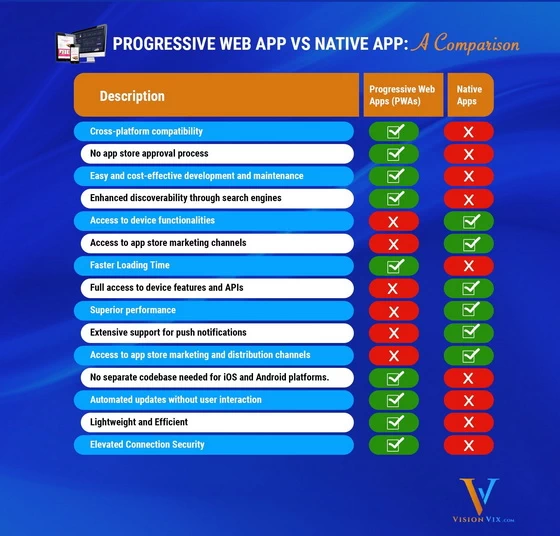
What Are Progressive Web Apps (PWAs)
First, let’s understand what PWAs are. Progressive Web Apps combine the best of both worlds – the accessibility of websites and the functionality of mobile apps. The market value OF PWA is expected to reach $10.44 billion by 2027, with a Compound Annual Growth Rate (CAGR) of 31.9%. They are essentially websites that behave like apps, providing users with an app-like experience directly through their web browsers. PWAs are designed to work seamlessly across platforms, including iOS, Android, Windows, and macOS, making them a versatile choice for businesses targeting a wide audience.
Native Apps
On the other hand, native apps are specifically developed for a particular operating system, such as iOS or Android. They are installed directly on a user’s device and can access device-specific features and hardware. Native apps offer superior performance and can provide a more personalized user experience tailored to the platform.
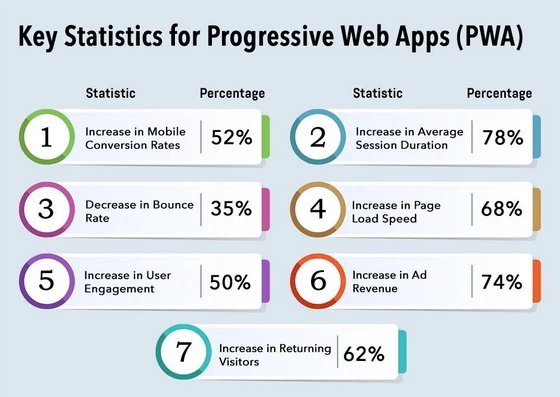
Advantages of PWAs
PWAs are gaining momentum and driving digital innovation due to several key advantages.
1. Cross-platform compatibility:
– PWAs work seamlessly across multiple platforms, including iOS, Android, Windows, and macOS.
– Businesses can reach a wider audience with a single app, reducing development and maintenance costs.
2. Enhanced user experience:
– PWAs offer fast loading speeds, offline functionality, and smooth navigation.
– Users can access PWAs instantly without the need for installation, reducing friction and increasing engagement.
3. Cost-effective development:
– PWAs are built using web technologies like HTML, CSS, and JavaScript, making them more efficient and economical to develop compared to native apps.
– The cross-platform nature of PWAs allows businesses to save time and resources on development.
4. Accessibility and reach:
– PWAs are easily accessible through web browsers, eliminating the need for users to discover and download them from app stores.
– PWAs are discoverable through search engines, enhancing their visibility and organic reach.
5. Offline functionality:
– PWAs can work offline or in low-connectivity environments, providing users with uninterrupted access to content and features.
– Offline functionality ensures a seamless user experience, even in areas with poor internet connectivity.
6. Push notifications:
– PWAs support push notifications, allowing businesses to send timely updates and personalized messages directly to users’ devices.
– Push notifications foster user engagement, retention, and re-engagement.
7. Automatic updates:
– PWAs automatically update themselves whenever the user accesses them, ensuring that users always have the latest version of the app.
– Automatic updates eliminate the need for manual app updates, providing a seamless and hassle-free experience.
8. Responsive design:
– PWAs are designed to be responsive, adapting to different screen sizes and devices.
– Responsive design ensures a consistent and optimized user experience across desktop, tablet, and mobile devices.
9. Searchability and discoverability:
– PWAs are easily discoverable through search engines, as they are indexed like regular websites.
– Improved searchability increases the visibility and organic reach of PWAs, making it easier for users to find and access them.
10. Security:
– PWAs are served over HTTPS, ensuring a secure connection between the user and the app.
– HTTPS encryption protects user data and enhances overall security, building trust with users.
Strategies for Harnessing PWAs
Embracing a mobile-first mindset is crucial since mobile devices have become the primary means of internet access for many users.
Please see below how to install a PWA on your Mobile directly from your browser
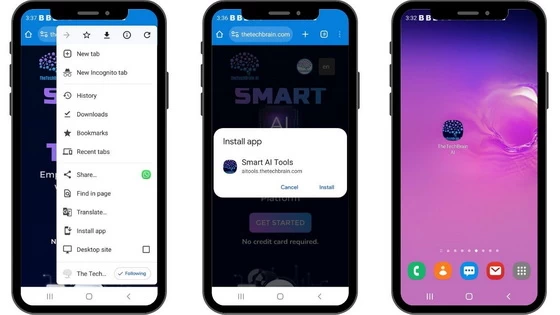
Optimizing PWA experiences for mobile usage, such as implementing responsive design and prioritizing essential features, ensures a seamless experience across devices. Push notifications allow businesses to send timely updates and personalized messages directly to users’ devices, fostering engagement and retention. Offline functionality ensures that users can access essential features and content even in low-connectivity environments, providing uninterrupted access to information and services.
Successful PWA implementations include:
1. Twitter Lite: Increased engagement, 65% more pages per session, and 75% more tweets sent.
2. Starbucks: Doubled daily active users and 11% higher user engagement.
3. AliExpress: Achieved 104% higher conversion rates and reduced bounce rates.
4. Trivago: Boosted user engagement by 50% and increased click-outs by 97%.
5. TheTechBrain AI: Sales conversion rates increased by 30% and customer satisfaction rose by 25%. The fast loading speeds reduced bounce rates by 40%.
Final Thoughts
Progressive Web Apps (PWAs) are becoming a more attractive option than native apps for businesses in 2024. PWAs offer cross-platform compatibility, cost-effective development, and a wider reach, while still providing a great user experience. As the difference between web and native apps gets smaller, PWAs are set to change how businesses connect with their customers in the digital world.
Did this article help you? If so, please tell me in a comment what do you think about it.
Don’t miss any of our future video tutorials, follow us on Youtube. Like us on Facebook. Join our Best Deals Telegram Channel. Join our Android TV Box Firmware Updates Telegram Channel. Subscribe now to our newsletter. If you need Tech Reviewer or Youtube Influencer read this. Donate now here to support CGR Team!















