
How to test a pressure transducer?
Using a voltage meter to troubleshoot a pressure transducer is the most reliable way to determine if the instrument functions correctly. You may have to attach the device to the multimeter and power your transducer using the appropriate excitation voltage. Then, take the voltage output of the transducer at zero loads and compare its reading against what is specified in the manufacturer’s datasheet. If there is no match, then the transducer is performing inadequately.
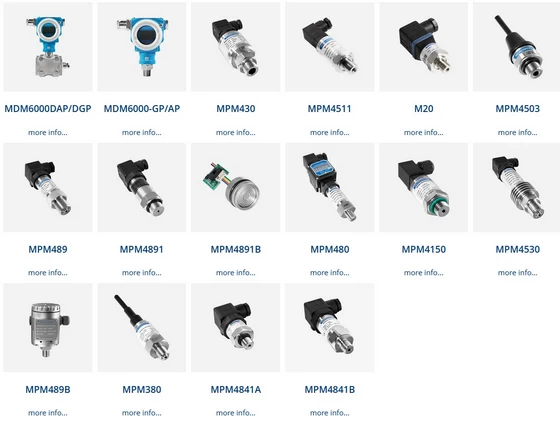
To guarantee optimum performance, it is also advisable to regularly examine the pressure transducer and make sure it meets the required specifications. Here are some of the steps to take when testing pressure transducers for functionality:
Testing the two wired Transducers
If you are dealing with a transducer whose current runs within two wires, you have to start by linking up the positive terminal to the positive socket of the power source. Then attach the negative terminal of your transducer so that it attaches to the multimeter’s positive end. Then relink the opposing end of the multimeter to the power source negative socket. Per the manufacturer’s datasheet, the transducer should give a current reading range of 4-20mA under no-load conditions. Reviewing the datasheets and verifying that the transducers are performing within the specified parameters is essential.
How to test the three wire volts transducers
To check the accuracy of pressure transducers powered by three wires, you have to start by connecting its positive terminal to the positive end of the power supply. Next, check on the common terminal. It should be connected such that it attaches to the transducer’s opposing power end. Then, your multimeter’s positive end should come in contact with the transducer’s positive end and the multimeter’s negative to the common wire. When no load is applied, the transducer should have a voltage per the company’s datasheet. Also, when the values you get match, the pressure transducer functions correctly. But if there is no value alignment, there is probably a problem with the pressure transducer.
How to test pressure transducers that run on four wires
First, these types of transducers have positive and negative twenty-four VDC. The negative one goes to the negative terminal of the transducer, whereas the voltmeter’s positive end should attach to the positive end of the transducer. Still, you must attach the transducer’s positive terminal to the positive of the VDC. Afterwards, link the voltmeter’s positive to the transducer’s negative terminal. After the connection, check the readings against the supplier’s datasheet. In load absence, the output must be equal to the specs in the datasheet.
Steps on testing the 4-20 milliamps
When testing the 4-20 milli amps transducer, the positive end should be connected to the positive socket of the power source. The negative should be attached to the multimeter’s positive end. At the same time, the negative end of the multimeter must be attached to the negative socket of the power source. The transducer reading should be between four to twenty milliamps if there is no load. Other values correlating to the variety of pressure outputs data should be consulted in the datasheet.
Conclusion
Did you know that MicroSensor tests its products first before making them available to the market? But that doesn’t mean they don’t provide datasheets where you can compare your test readings to their expected experimental results. Besides, their product’s pressure range is between 0.1 bar to 1000 bar, outputs 0.5V~2.5V DC / 0.5V~4.5V DC / 4mA~20mA DC, and are certified by ATEX explosion proof.
Did this article help you? If so, please tell me in a comment what do you think about it.
Don’t miss any of our future video tutorials, follow us on Youtube. Like us on Facebook. Join our Best Deals Telegram Channel. Join our Android TV Box Firmware Updates Telegram Channel. Subscribe now to our newsletter.















