
The Evolution of Smartphone Firmware: From Basic Operating Systems to Advanced AI Capabilities
Are you curious about the evolution of smartphone firmware over the years? Have you ever wondered what milestones and critical features were implemented in OS updates? And what impact does all of this have on your user experience and functionality? With the rise of advanced AI-based features in smartphone firmware, it’s crucial to understand how smartphones change and affect you as a user. For example, if you’re working with an app, the Docker hub can help you with image builds and other automation tasks.
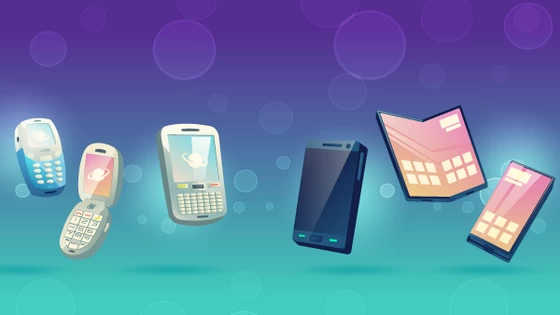
The Beginning: Basic Operating Systems
The first smartphones were launched in the 90s, but it wasn’t until 2007, when the iPhone was released, that the smartphone revolution began. At that time, smartphone firmware was still in its infancy and was focused on providing basic features like calling, messaging, and simple web browsing. The iOS and Android platforms were the most popular operating systems for smartphones, and they laid the foundation for accessing and interacting with the web through mobile devices.
Milestones and Key Features of OS Updates
In the following years, smartphone firmware evolved rapidly, with both iOS and Android releasing frequent updates with new features and capabilities. Some of the most notable milestones include the introduction of the App Store (2008), which opened up a whole new world of smartphone functionality. In 2011, Siri was launched on the iPhone, marking the first foray of AI technology into smartphone firmware. The following year, Google introduced Google Now, an AI similar to Siri on the Android platform.
More recent updates have seen the incorporation of advanced facial recognition, virtual assistants, voice-activated services, and augmented reality technology. The newest versions of iOS and Android offer features such as biometric identification, AI-based predictive text, and facial recognition technology. Take the recent WWDC 2023, for example, where Apple talked about how they will use transformer models and LLMs to tune the auto-predictive suggestion engine. This is just one of many ways that AI technology is being incorporated into current smartphone firmware, allowing users to enjoy more intuitive and intelligent experiences.
The Rise of Advanced AI-Based Features
AI technology has become integral to smartphone firmware in recent years, transforming our smartphones from simple communication tools to powerful personal assistants. Smartphones use machine learning algorithms to anticipate user behavior and personalize content and services. Today, users can easily download mobile apps that use AI to perform tasks like language translation, image recognition, and even weather monitoring. Voice-activated assistants like Siri, Alexa, and Google Assistant can set reminders, change device settings, and answer your questions, all with voice commands.
Impact on User Experience and Functionality
The incorporation of AI-based features into smartphone firmware has had a tremendous impact on user experience and functionality. Smartphones can now provide users with more personalized content and services that can help them get the most out of their devices. From more intelligent notifications to virtual assistants, smartphones have become powerful tools for staying connected, informed, and entertained. As humans, we always want to get things done without any hassle. AI technology makes that possible by providing us with more innovative, faster ways to interact with our devices. By understanding the evolution of smartphone firmware and how new technologies are changing how we use them, you can stay updated with all the latest features and take advantage of their full potential.
Smartphone Companies Are Leveraging AI To Enhance The User Experience
Smartphone companies are actively leveraging AI technology to improve the user experience. AI technologies like machine learning and natural language processing are at the core of many new apps and services. Machine learning algorithms analyze user behavior to identify patterns and provide personalized recommendations and experiences. And chatbots, powered by natural language processing, have rapidly grown in popularity as they simulate honest conversations between users and virtual assistants, making customer service even more efficient.
Looking Ahead- Future OS Releases And AI Capabilities
The recent Google Event and the WWDC 2023 Apple Event showcased the future of AI technology in smartphone firmware. From improved voice recognition and natural language processing to more powerful predictive algorithms and augmented reality capabilities, these developments pave the way for more innovative, intuitive user experiences.
As smartphone technology continues to evolve and AI-driven features become even more widespread, it’s essential to stay up to date with all the latest developments to get the most out of your device. Apple has already integrated smart features like picking any image from videos, photos, camera frames, and more. Android also has a similar feature that predicts the content of an image and provides contextual information. For example, if you take a picture of an animal, it will recognize what type of animal it is and provide detailed information about it.
Did this article help you? If so, please tell me in a comment what do you think about it.
Don’t miss any of our future video tutorials, follow us on Youtube. Like us on Facebook. Join our Best Deals Telegram Channel. Join our Android TV Box Firmware Updates Telegram Channel. Subscribe now to our newsletter.














