
Maximizing Wearable Device Efficiency
With the advent of wearable technology, our everyday interactions with the digital world have transformed significantly. From fitness trackers to smartwatches, these devices promise to enhance our health, productivity, and connectivity. However, to truly integrate these devices into our daily lives, maximizing their efficiency is crucial. This article delves into strategies for optimizing wearable device usage, ensuring they serve our needs without becoming a source of distraction.
Adopting Efficient Charging Habits
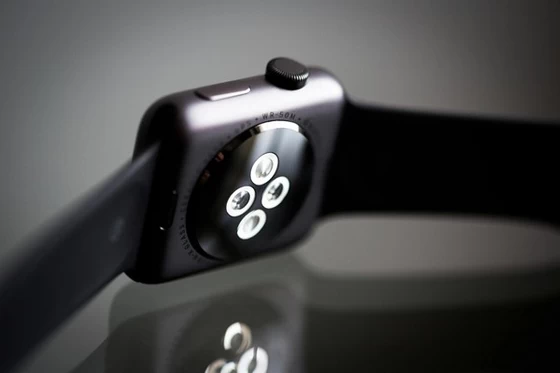
One of the most common challenges faced by wearable device users is managing battery life. Adopting efficient charging habits—such as charging your device during periods of inactivity, or using low-power modes—can significantly extend its usability. This ensures that your device is always ready when you need it, without the inconvenience of frequent recharges. Understanding how to analyze and optimize battery usage is essential for prolonging the life of your device. For those interested in maximizing their device’s battery efficiency, learning about battery drain analysis can provide valuable insights into reducing power consumption and improving overall performance.
Customizing Settings for Optimal Performance
Customization is key to leveraging the full potential of your wearable device. Many devices allow users to adjust settings such as notification preferences, display options, and battery-saving modes. By fine-tuning these settings, you can ensure that your device delivers the right information at the right time, without unnecessary distractions.
Integrating with Other Devices and Apps
To expand the functionality of wearable devices, integration with other digital tools and platforms is crucial. This might mean syncing your smartwatch with your smartphone to manage calls and messages or connecting your fitness tracker with a health app to track nutritional intake. Such integrations enhance the utility of your wearable, making it a central hub for personal data management.
Understanding Your Device’s Capabilities
Every wearable device is designed with a unique set of features and limitations. Familiarizing yourself with these capabilities is the first step toward maximizing efficiency. Whether it’s tracking your sleep patterns, monitoring your heart rate, or managing notifications, knowing what your device can do allows you to tailor its use to suit your lifestyle.
Staying Updated with Software and Firmware
Manufacturers regularly release software updates and firmware upgrades for wearable devices. These updates not only improve device performance but can also introduce new features and functionalities. By keeping your device updated, you can enjoy enhanced performance and a better user experience.
Balancing Connectivity with Distraction
While wearable devices offer unparalleled convenience, they can also become a source of constant distraction. It’s important to balance connectivity with distraction by setting boundaries on device use. This might involve disabling notifications during work hours or while spending time with family, ensuring that your device supports, rather than detracts from, your quality of life.
Exploring Wearable Technology in Professional Settings
Wearable devices are not limited to personal use; they also have significant implications for professional environments. In sectors such as healthcare, wearable tech can provide real-time data to medical professionals, enhancing patient care and operational efficiency. Businesses can utilize wearables for employee location tracking, access control, and even to monitor stress levels, opening up new possibilities for workplace safety and productivity.
Leveraging Data Analytics for Personalized Insights
With the proliferation of wearable devices, the amount of data generated about our daily habits and health metrics has skyrocketed. By leveraging data analytics, users can gain personalized insights into their health and behavior, encouraging informed decision-making. This ability to analyze and interpret complex datasets can lead to improved health outcomes and a more personalized technology experience.
Ensuring Privacy and Security in Wearable Tech
As we integrate wearable devices more deeply into our lives, concerns about privacy and security become paramount. It’s essential for users to understand the data collection practices of their devices, as well as the measures in place to protect their information. Employing strong encryption for data transmission and being mindful of app permissions are crucial steps in safeguarding personal information. By taking proactive measures to protect privacy, users can enjoy the benefits of wearable technology with peace of mind.
Conclusion
Maximizing the efficiency of wearable devices is not about overwhelming ourselves with technology, but rather about enhancing our daily routines in a balanced and thoughtful way. By understanding and customizing our devices, integrating them wisely with other tools, adopting efficient charging practices, staying updated, and managing distractions, we can unlock the full potential of our wearable technology. In doing so, we elevate our experience from merely wearing a device to truly benefiting from its capabilities.
Did this article help you? If so, please tell me in a comment what do you think about it.
Don’t miss any of our future video tutorials, follow us on Youtube. Like us on Facebook. Join our Best Deals Telegram Channel. Join our Android TV Box Firmware Updates Telegram Channel. Subscribe now to our newsletter. If you need Tech Reviewer or Youtube Influencer read this. Donate now here to support CGR Team!















