
How Quality Electronic Components Enhance Gadget Performance & Longevity
Quality electronic components are vital to device performance. A recent study shows that faulty components cause 80% of electronics industry failures. The production of a single laptop creates 283.4 kg of CO2, and poor-quality components worsen this environmental burden through constant replacements and repairs.
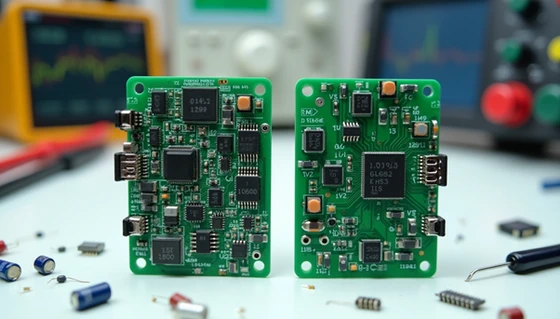
The search for reliable electronic components has become increasingly important today. The world produces about 50 million tons of e-waste each year, highlighting how component quality affects both performance and sustainability. Quality decisions about electronic components directly influence your device’s speed, longevity, and efficiency. Trusted electronic components suppliers and distributors can help you make these choices. This piece explains the differences between quality and cheap components. You’ll learn how components affect your devices and discover reliable sources to buy electronic components that deliver the performance you need.
Understanding Quality vs Cheap Components
Electronic component manufacturing relies heavily on material selection that directly affects device reliability and performance. FR-4 materials provide good insulation and mechanical strength at lower costs, with their dielectric constant of 4.5-5.5. These materials have limitations though, especially in flame retardancy and dielectric constant stability.
Key differences in manufacturing
Component performance and longevity depend greatly on manufacturing quality. High-quality electronic components go through thorough material analysis. X-ray fluorescence equipment helps verify lead finish and detect prohibited materials. The scanning electron microscope microanalysis through EDS identifies metal and non-metal elements to ensure component integrity.
Material quality comparison
Silicon carbide materials work best in high-temperature and high-strength environments. They provide better mechanical strength and thermal stability. PTFE materials cost more but give exceptional chemical resistance and dielectric properties. This makes them perfect for high-speed transmission circuits. Metal materials like aluminum and copper boost conductivity. They need extra shielding because they generate electromagnetic fields.
Certification standards
Reliable components must meet strict certification requirements. IPC certification, recognized worldwide, covers these important aspects:
– IPC J-STD-001 leads as the main authority for electronics assembly manufacturing worldwide
– IPC-A-600 sets PCB workmanship quality standards
– IPC-A-610 is the most used inspection standard for consumer and high-reliability printed circuit assemblies.
ISO certifications are vital to component quality assurance. ISO 9001:2015 certification gives consistent product quality through systematic management. ANSI/ESD-S20.20 certification focuses on Electrostatic Discharge Control Programs that protect sensitive electronic components. Automotive and aerospace industries need even stricter standards. AS6081:2012 certification is vital for high-reliability markets and creates reliable counterfeit mitigation processes. OEMs and contract manufacturers’ strict requirements are met through this certification. Quality electronic components undergo environmental testing to check durability in extreme conditions. These tests check performance under various stresses like temperature changes, humidity, and vibration to ensure reliability. Manufacturers then run life testing to predict component lifespan and find potential failure modes.
Direct Impact on Device Performance
Your device’s core performance metrics depend on whether you choose quality or cheap electronic components. A newer study, published in, shows how component degradation affects electronic products’ Mean Time Between Failures (MTBF).
Speed and processing power
Component quality determines processing capabilities. High-quality processors can execute billions of instructions per second at speeds between 2.5 GHz and 4.0 GHz. Low-grade components often fail their original quality checks, which leads to reduced processing power.
Battery life and power efficiency
Power efficiency is a vital factor in device performance. Quality components reduce energy losses and improve battery life. Better power systems deliver the same energy output as larger systems but use less power. To name just one example, battery management systems with quality components can extend operational life by monitoring voltage and temperature properly.
Heat generation and management
Temperature control is a fundamental challenge in electronic devices. Research shows that even small temperature reductions can improve operations. Quality components come with:
– Advanced cooling solutions built into the substrate
– Optimized heat sink designs with high thermal conductivity materials
– Quick thermal management techniques
Low-quality components lack good heat dissipation mechanisms, which causes temperature spikes that damage nearby electronics. When dust builds up on heat sinks or power connectors, it acts as an insulator and leads to overheating.
Device longevity
Component quality determines how long your device will last. High-quality materials and good thermal management extend a device’s life. Cheap components result in:
– Higher failure rates that need frequent replacements
– More maintenance costs over time
– Damage to other device parts
Research shows that one degraded component can increase product failure rates, and this is a big deal. Electronic parts supply from trusted sources is essential to ensure optimal device performance and longevity.
Hidden Costs of Cheap Components
Buying cheap electronic components can create unexpected financial burdens that go way beyond the original purchase price. A closer look at these hidden expenses shows how they affect your bottom line over time.
Repair frequency
Low-quality components usually fail within six months of installation. Premium components last six years or longer. This huge difference in lifespan creates a ripple effect throughout operations. Defects force companies to add more inspections and testing. This wastes valuable resources and time.
Energy consumption
Power efficiency stands out as another key cost factor. Cheap power supply units run at efficiency ratings below 70%. They turn excess energy into waste heat. Quality components show better efficiency and reduce operational costs in the long run.
Systems running multiple hours each day make this difference more obvious. A gap between 70% and 80% efficiency adds up over time. These efficiency gaps create:
– Higher electricity bills from increased power consumption
– Extra cooling needs to handle excess heat
– More strain on surrounding components
Replacement costs
Cheap components’ true cost shows up in frequent replacements and business disruptions. Quality problems create several issues:
– Scrapped materials and wasted resources
– Production line stops until replacements arrive
– Extra shipping costs for returns and replacements
– Higher labor costs for troubleshooting and repairs
Of course, quality components need more upfront investment. Field data shows that cheap alternatives cost more over time. One bad batch can stop entire operations. Engineering teams must focus on fixing problems instead of creating new solutions. Quality standards matter even more in healthcare and aerospace. Companies face regulatory penalties or legal action if they fail to meet these standards. These risks, plus warranty claims and unhappy customers, prove why quality electronic components save money in the long run.
Where to Buy Electronic Components
Quality and performance of products depend heavily on finding reliable sources for electronic components. A recent ERAI survey shows counterfeit electronic components increased by 35% in 2022, which highlights why choosing suppliers carefully matters more than ever.
Trusted electronic components suppliers
Major authorized distributors such as Arrow Electronics, Avnet, and TTI work directly with manufacturers to ensure authentic components. These distributors go through regular audits and hold significant certifications like ISO 9001:2015 that show their dedication to quality management. TrustedParts.com offers a detailed component search by pulling inventory only from authorized sources. Mouser Electronics also provides a wide range of genuine semiconductors and keeps customers updated about new products that match their project needs.
These key factors help you build reliable partnerships with suppliers:
– Membership in recognized associations like IDEA or UKEA
– Testing facilities and quality control processes
– Experience level of technical professionals
– Response capabilities for urgent requests
– Strong connections with original component manufacturers
Avoiding counterfeit sellers
The supply chain for electronic components faces growing challenges from fake products. Here’s how you can reduce the risks:
Start by checking supplier authenticity through manufacturer websites and industry certifications. Authorized distributors buy directly from component makers’ factories and undergo supplier audits regularly.
Take time to inspect components visually. Look out for:
– Incorrect labeling or spelling errors
– Mismatched part codes
– Poor quality logos or fonts
– Missing moisture-sensitive packaging
Good documentation and traceability programs are essential. You should ask for serial numbers and check batch specifications randomly, especially for components used in aerospace or defense applications. For those looking to buy electronic components, working with authorized suppliers ensures quality and reduces risks associated with counterfeit parts.
Conclusion
Quality electronic components are a critical factor that determines device performance, reliability, and long-term costs. Research shows quality components can last up to six times longer than cheaper alternatives. This makes them a smart investment despite higher upfront costs. The choice between quality and cheap components goes beyond device performance. Low-grade components increase energy consumption and need frequent repairs. These hidden costs pile up over time and the components’ shorter lifespan creates more e-waste through constant replacements. Businesses can make smart component choices by understanding certification standards and building relationships with trusted suppliers. Device failures from counterfeit or substandard parts can be avoided by working with authorized distributors who have direct manufacturer connections. The results are undeniable – quality electronic components offer superior performance and lower long-term costs while supporting eco-friendly manufacturing. Cheap alternatives might look attractive at first, but their true cost is way beyond the reach and influence of the purchase price. This affects everything from operational efficiency to environmental footprint.
Did this article help you? If so, please tell me in a comment what do you think about it.
Don’t miss any of our future video tutorials, follow us on Youtube. Like us on Facebook. Join our Best Deals Telegram Channel. Join our Android TV Box Firmware Updates Telegram Channel. Subscribe now to our newsletter. If you need Tech Reviewer or Youtube Influencer read this. Donate now here to support CGR Team!















