
Method to Manufacture Colored Stainless Steel
Stainless steel has long been valued for its strength, corrosion resistance, and clean appearance. But as design expectations evolve across architecture, interior décor, and industrial applications, aesthetics now play a larger role than ever. Enter colored stainless steel – a striking blend of durability and style that expands the visual possibilities of a traditionally silver-gray material. But what gives stainless steel its color? And how is it manufactured to retain both beauty and performance? The process of creating colored stainless steel is more sophisticated than applying a coat of paint or plating. It involves altering the surface at a microscopic level using advanced chemical, physical, or thermal techniques. These changes influence how light reflects off the steel, producing a wide spectrum of colors while preserving the metal’s natural corrosion resistance and strength.
What Is Colored Stainless Steel?
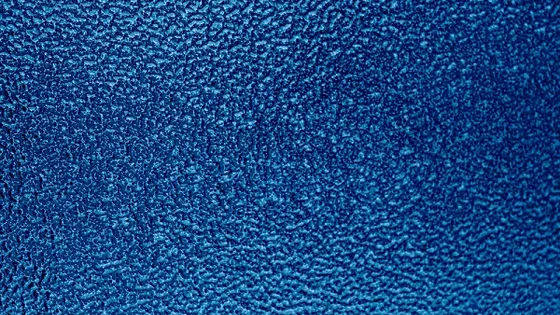
Colored stainless steel refers to stainless steel that has undergone a treatment process to produce a permanent color effect on its surface. This isn’t achieved through dyes or paints that can wear off over time. Instead, the color is the result of interference effects or micro-coatings applied through controlled processes like chemical oxidation, heat treatment, or vapor deposition. The result is a surface that maintains the functional characteristics of stainless steel—such as strength and corrosion resistance—while gaining a vibrant hue that doesn’t fade, chip, or peel easily.
Common Methods Used to Manufacture Colored Stainless Steel
Several manufacturing methods are used to create colored stainless steel. Each has unique benefits depending on the intended use of the finished material.
1. Electrochemical Coloring (Interference Coating). One of the most widely used techniques for coloring stainless steel is electrochemical. This method involves immersing stainless steel in a solution of chromic and sulfuric acids while applying an electric current. The result is the formation of a transparent oxide layer on the surface. Depending on the thickness of this layer, light is reflected in different ways, producing various colors like blue, gold, bronze, green, or black. What makes this process notable is that no pigment is applied; the color is a result of light interference. It’s not only aesthetically appealing but also durable, making it ideal for architectural elements, public infrastructure, and marine applications.
2. Physical Vapor Deposition (PVD). Physical Vapor Deposition is a vacuum-based coating process where metal compounds—such as titanium nitride—are vaporized and deposited onto stainless steel surfaces. PVD coating offers exceptional hardness, resistance to wear, and color uniformity. It’s often used when a richer color tone or a more durable surface is required, such as in high-touch environments or luxury fittings. PVD-coated colored stainless steel is particularly valued for its eco-friendly nature, as it doesn’t involve hazardous chemicals and produces very little waste.
3. Chemical Oxidation. This method uses a chemical bath to grow an oxide layer on the stainless steel surface. By varying the time and temperature during the reaction, manufacturers can control the color that develops. The method is less expensive than PVD or electrochemical coloring but offers slightly less control over color consistency and durability. Chemical oxidation is more commonly used for interior decor, art installations, or areas where the material won’t face harsh environmental conditions.
4. Heat Treatment. Heat coloring is an older method but still occasionally used for artistic or small-scale applications. By heating stainless steel to specific temperatures, the oxide layer changes thickness and thus produces different colors through light interference. While less consistent and not as durable as other methods, heat treatment can produce unique, gradient effects that are valued in custom or decorative work.
Applications of Colored Stainless Steel
The versatility and eye-catching nature of colored stainless steel have made it popular in a wide range of industries:
– Architecture: Used in building facades, columns, cladding, and decorative panels where visual impact is important.
– Interior Design: Adds flair to elevators, wall accents, kitchen appliances, and furniture.
– Public Infrastructure: Appears in railings, benches, signage, and transit stations where durability meets style.
– Consumer Products: Found in high-end electronics, watches, and home décor for a sleek and modern look.
– Art Installations: Offers artists a durable yet expressive medium that plays with light and color.
Role of Finishing in Color and Durability
Before coloring, stainless steel is often treated with specific surface finishes that affect how color is perceived. Common stainless steel finishes include brushed, mirror-polished, or satin. These finishes alter how light interacts with the colored layer, deepening or softening the visual effect. For example, a mirror-polished finish under a gold PVD coating can create a high-gloss, reflective look suitable for luxury applications. A brushed finish under a blue or bronze coating, on the other hand, offers a more understated, matte appearance suitable for architectural panels or appliances. The choice of finish not only enhances the aesthetic but also contributes to the practicality of the colored surface, such as its resistance to fingerprints, ease of cleaning, or abrasion resistance.
Why Colored Stainless Steel Is Worth the Process
While coloring stainless steel involves additional manufacturing steps and cost, the benefits are significant. It offers designers and engineers a palette of options without sacrificing strength, corrosion resistance, or longevity. It also adds value in terms of sustainability, as many coloring processes—like PVD—are low in waste and free from toxic chemicals. Colored stainless steel is not just about looks; it’s a solution that merges performance and beauty. In a world where functionality and form increasingly go hand in hand, it stands out as a material that does both exceptionally well.
Final Thoughts
The method to manufacture colored stainless steel is a refined process that transforms a traditionally utilitarian material into a design asset. Whether it’s achieved through electrochemical means, vacuum deposition, or chemical oxidation, each method has its place in creating lasting, high-quality finishes. When combined with the right stainless steel finishes, the result is a visually stunning material with practical durability. As demands continue to grow for materials that can do more—perform better, look better, and last longer—colored stainless steel is proving itself as more than just a trend. It’s a material made for the future.
Did this article help you? If so, please tell me in a comment what do you think about it.
Don’t miss any of our future video tutorials, follow us on Youtube. Like us on Facebook. Join our Best Deals Telegram Channel. Join our Android TV Box Firmware Updates Telegram Channel. Subscribe now to our newsletter. If you need Tech Reviewer or Youtube Influencer read this. Donate now here to support CGR Team!














