Moving Beyond Passive Audio Storage
Traditional recorders are designed to capture sound, but they stop there. After a recording is made, the responsibility of reviewing and understanding the content falls entirely on the user. This often involves replaying audio multiple times, taking notes, and identifying key points manually. In many cases, this process is inefficient. Important insights can be overlooked, and valuable time is spent navigating long recordings. AI recorders address this limitation by turning audio into something more accessible and actionable.
Turning Speech into Structured Information
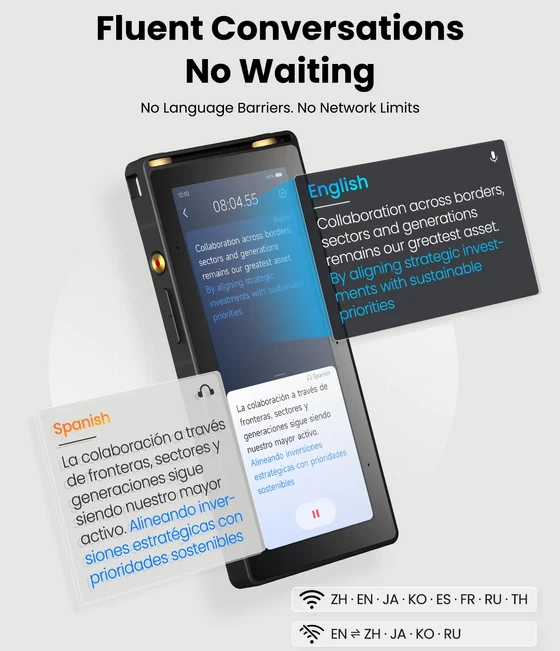
One of the most important capabilities of AI recorders is speech-to-text transcription. By converting spoken language into written text, they make it easier to review and search through content, functioning in a way that is similar to a smart translator for spoken information. Instead of listening to an entire recording, users can quickly scan transcripts to find relevant information. Beyond transcription, AI recorders can organize content into structured formats. Conversations are no longer just streams of audio but become documents that can be edited, categorized, and shared. This makes it easier to manage large amounts of information across different projects and tasks.
Extracting Key Insights Automatically
AI recorders do more than convert speech into text. They analyze content to identify key points, important decisions, and recurring themes. This helps users understand the most relevant information without reviewing every detail. Automatic summarization is particularly valuable in professional settings. Instead of reading through long transcripts, users can rely on concise summaries that highlight what matters most. This allows for faster decision-making and more efficient follow-up actions.
Supporting Action-Oriented Workflows
The true value of information lies in how it is used. AI recorders help bridge the gap between capturing content and taking action. By identifying tasks and follow-up items within conversations, they make it easier to turn discussions into outcomes. For example, meeting recordings can be transformed into structured notes with clear action points. This reduces the need for manual organization and ensures that important tasks are not missed. As a result, users can move more quickly from discussion to execution.
Redefining the Role of Recording in Productivity
AI recorders are changing how people think about recording itself. Instead of being a backup tool for capturing information, they are becoming an active part of the workflow. They assist not only in preserving content but also in understanding and applying it. As AI technology continues to evolve, these devices are likely to become even more capable. Future developments may include deeper context analysis, better integration with productivity tools, and more personalized insights. In the end, AI recorders deliver more than just audio capture because they support the full lifecycle of information. They help users capture, process, and act on what they hear, making them increasingly valuable in modern work environments.
Did this article help you? If so, please tell me in a comment what do you think about it.
Don’t miss any of our future video tutorials, follow us on Youtube. Like us on Facebook. Join our Best Deals Telegram Channel. Join our Android TV Box Firmware Updates Telegram Channel. Subscribe now to our newsletter. If you need Tech Reviewer or Youtube Influencer read this. Donate now here to support CGR Team!